
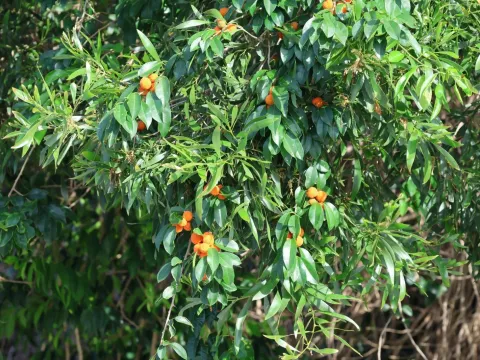
Cudrania javanensis
Cudrania javanensis
Cudrania javanensis, commonly referred to as the strawberry tree or mandarin melon berry, is a member of the Moraceae family. This woody plant can grow as a large shrub or a small tree and is characterized by its unique fruiting habits.
What the section contains
Cudrania javanensis
The plant originates from tropical and subtropical regions of Asia. It thrives in warm climates with long growing seasons, demonstrating significant adaptability to various environmental stressors including periods of heat and drought.
Soil requirements for Cudrania javanensis are moderate; it prefers well-draining soils but can establish itself in nutrient-poor substrates. Proper drainage is critical to prevent root diseases, which are the most common cause of plant failure in unsuitable sites.
Agricultural management requires choosing a location with full sun exposure to maximize fruit production and sugar accumulation. While the species is moderately hardy, protection against harsh winter winds is advisable for younger plants to ensure their survival.
Routine maintenance includes balancing irrigation during the growing season and performing pruning to maintain an open canopy. This practice improves light penetration, which is vital for the development of healthy, high-quality fruits.
The fruit of Cudrania javanensis is a multiple fruit (syncarp) that resembles a strawberry in appearance when ripe. Its sweet, mild flavor makes it highly attractive for fresh consumption, providing a unique alternative to traditional temperate fruits.
Industrial applications of the crop are diverse, ranging from food processing into jams, jellies, and dried snacks to potential use in nutraceutical products. Its high nutritional content makes it a promising crop for health-conscious markets.
In addition to the fruit, the leaves are recognized for their historical role in sericulture, providing a suitable food source for silkworms. This dual-use potential adds economic value to the cultivation of this species in integrated farming systems.
The wood of the plant is dense, durable, and naturally resistant to rot, making it a valuable resource for artisanal woodcraft. Furthermore, the bark and roots have been studied for their potential as sources of natural yellow dyes.
Yield stability is achieved through proper canopy management and consistent pollination. Growers should consider planting multiple trees to ensure cross-pollination, which often results in larger and more uniform fruit sets.
Cudrania is generally considered a low-maintenance, hardy plant with strong resistance to most common orchard diseases. However, waterlogged soil remains the primary threat, as it predisposes the root system to fungal pathogens.
Pests such as scale insects and spider mites may occasionally infest the plant, particularly in sheltered or indoor environments where air circulation is restricted. Early detection through regular monitoring is the most effective management strategy.
Bird damage is a common challenge during the ripening phase. The use of netting is highly recommended for commercial or backyard orchards to protect the fruit from being consumed before it can be harvested.
Physiological disorders are rare but can occur due to extreme nutrient imbalances. Maintaining a balanced soil pH and providing appropriate micronutrient fertilization when necessary will sustain vigorous growth and disease resistance.
Sanitation practices, such as removing fallen leaves and pruning dead wood, help maintain a healthy ecosystem around the tree. This reduces the habitat available for potential pests and prevents the spread of leaf-spotting fungi.
Harvesting Cudrania javanensis is a manual process due to the soft nature of the ripe fruit. Determining the peak harvest time requires monitoring the syncarps for a distinct color change to deep orange or reddish-pink.
Since the fruits ripen sequentially over several weeks, multiple passes through the orchard are necessary. Harvesters should gently twist the fruit from the stem to avoid bruising the tender tissue of the syncarp.
Post-harvest shelf life is extremely short, making immediate processing or local consumption essential. Cooling the fruit quickly after picking can extend its quality for a short duration, though fresh fruit remains the ideal goal.
Harvesting is best performed in the early morning when the fruits are cool and dry. Moisture on the surface of the fruit during storage can accelerate spoilage and fungal growth, negatively impacting the total marketable yield.
Proper sorting at the point of harvest is crucial to ensure only mature fruits are collected. This ensures that the final product meets quality standards for consumers and provides a better experience in culinary applications.