
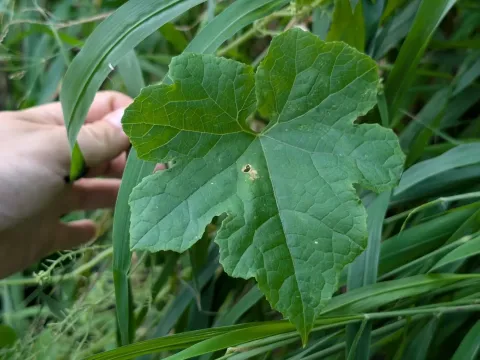
Sicyos
Sicyos
Sicyos is a genus of annual herbaceous vines belonging to the Cucurbitaceae family. Originally native to North and South America, these plants are known for their vigorous climbing habit and rapid development. They are adapted to various habitats, ranging from moist woodland edges to more open, sunny environments.
What the section contains

Sicyos
Botanically, Sicyos is characterized by its tendril-bearing stems, which allow the plant to scale fences, trellises, or adjacent vegetation. The leaves are typically heart-shaped or lobed, providing a large surface area for photosynthesis, which supports the plant's fast-paced growth throughout the warmer months.
Optimal growth for this species requires fertile, well-draining soil with a near-neutral pH. The root system is relatively shallow, making the plant responsive to regular moisture inputs. Incorporating organic matter, such as compost, into the soil profile enhances both water retention and nutrient availability.
Regarding climate, Sicyos thrives in warm conditions and has no tolerance for frost. It requires a long growing season to reach maturity. Exposure to direct sunlight for most of the day is preferred, as this maximizes biomass production and promotes the development of reproductive structures.
Cultural practices should focus on providing adequate vertical space. If grown in confined areas, pruning may be necessary to manage the spread of the vines. Mulching around the base helps maintain soil temperature stability and suppresses competitive weed species during the critical early development stages.
Powdery mildew is a common fungal threat that frequently occurs in humid conditions with poor air circulation. This disease manifests as a white, dusty coating on leaves, which significantly hampers photosynthesis and may eventually lead to the decline of the vine if left unmanaged.
Aphids are significant pests that colonize young, tender shoots. Beyond directly damaging the plant by feeding on sap, these insects serve as vectors for various viral diseases. Once a plant is infected with a virus, it often shows stunted growth and leaf deformation, necessitating immediate removal.
Root rot, caused by pathogens like Phytophthora, can devastate Sicyos populations if soils become waterlogged. Proper drainage is the primary defense, as excessive moisture in the root zone creates the perfect environment for fungi to infiltrate and destroy the conductive tissues of the roots.
Spider mites are prevalent during hot, dry spells. They cause foliage to appear speckled or bronzed, eventually leading to senescence. Regular irrigation and maintaining healthy humidity levels around the foliage are effective preventative strategies to keep mite populations under control.
Leaf miners can also damage the foliage by creating tunnels between the leaf surfaces. While they rarely kill a mature plant, they can significantly reduce the overall aesthetic and vigor. Integrated pest management, including the use of beneficial insects, is recommended for sustainable protection.