
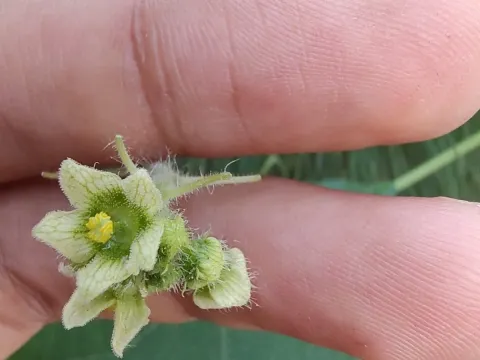
Sicyos microphyllus
Sicyos microphyllus
Sicyos microphyllus is a herbaceous climbing plant belonging to the Cucurbitaceae family. Recognized for its rapid growth rate and vigorous vining habit, it is an interesting botanical subject that demonstrates the diverse characteristics found within the squash family.
What the section contains
Sicyos microphyllus
The species originates from the Americas, typically found in climates that support robust annual growth cycles. While not a mainstream commercial crop, it is studied for its adaptability and potential utility in vertical farming systems and niche horticultural environments.
The plant requires a climate characterized by warm temperatures, typically ranging from 22 to 28 degrees Celsius, and plenty of direct sunlight. It is highly sensitive to frost, which limits its outdoor cultivation to temperate summer months or controlled environments like greenhouses.
Soil conditions should prioritize drainage and fertility. A loamy, well-aerated soil profile is essential to prevent root asphyxiation, while regular moisture levels are crucial for sustaining the rapid physiological development of the vine during the peak growing season.
Agronomic management involves providing sturdy vertical support systems, such as trellises or netting, to accommodate the plant's natural climbing behavior. Fertilization programs should focus on nitrogen-rich inputs during the vegetative phase to support expansive foliage growth.
Major diseases affecting this species include powdery mildew and anthracnose, which are common across most Cucurbitaceae members. These pathogens thrive under high humidity and poor air circulation, necessitating consistent canopy management to maintain plant health.
Pests that frequently threaten Sicyos microphyllus include spider mites and aphids, which can cause significant damage to foliage and reduce overall plant vigor. Effective management involves regular field monitoring and the application of targeted biological or chemical control agents when threshold levels are reached.