
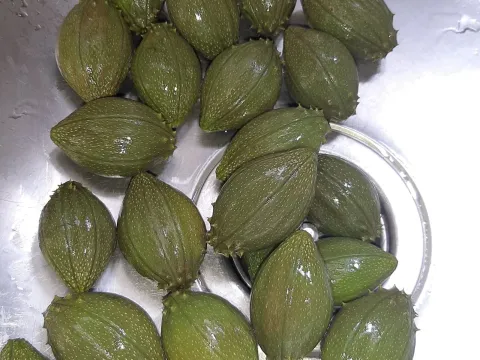
Sechium tacaco
Sechium tacaco
Sechium tacaco is a perennial herbaceous vine belonging to the Cucurbitaceae family. Native to the high-altitude regions of Central America, primarily Costa Rica, this crop is a specialized local vegetable known for its unique culinary applications.
What the section contains
Sechium tacaco
Sowing typically begins with the onset of the rainy season, as the plant requires stable soil moisture to germinate effectively. Seeds are often planted shortly after harvesting, as they remain viable for a limited period and prefer to sprout without prolonged dormancy.
For industrial or domestic cultivation, the soil must be well-draining, rich in organic matter, and kept at a moderate temperature. Proper placement allows the vine to establish a robust root system, which is crucial for supporting its rapid vegetative growth.
The use of trellis or support structures is essential for the healthy development of Sechium tacaco. As a climbing vine, it requires vertical space to ensure proper airflow, which significantly reduces the risk of fungal infections caused by contact with damp soil.
Biological features of the plant include the ability to store nutrients in underground tubers, providing resilience against seasonal fluctuations. Understanding these growth habits is fundamental for any agronomist aiming to optimize planting density and spacing.
This crop thrives in tropical highland climates, preferring temperature ranges between 18 and 25 degrees Celsius. It is highly sensitive to frost, which can cause severe damage or complete death to the above-ground biomass of the plant.
Soil quality is paramount; the plant prefers slightly acidic to neutral soil that is fertile and high in humus. Consistent irrigation is required, but it must be managed carefully to avoid waterlogging, which the plant does not tolerate well.
Sunlight exposure is a critical factor for productivity. While Sechium tacaco can tolerate partial shade, it produces the highest yields when provided with full morning sunlight, which helps dry the dew from leaves and prevents disease.
Fertilization should be focused on organic amendments applied periodically throughout the growing season. This supports the continuous production of fruits and ensures the plant has the necessary energy to sustain its aggressive growth habit.
The culinary utility of Sechium tacaco is well-documented in its native region, where the tender fruits are highly prized for soups and stews. It represents an important genetic resource within the Cucurbitaceae family for regional food security.
Fungal pathogens represent the most significant threat to Sechium tacaco. High humidity and poor air circulation often lead to powdery mildew and fruit rot, which can devastate a harvest if not managed through proper canopy thinning.
Insect pests such as aphids and spider mites can attack the succulent apical shoots, causing stunted growth. Regular monitoring and the application of integrated pest management strategies are necessary to protect the yield.
Root-knot nematodes can also be a hidden danger, particularly in soils that have been used repeatedly for cucurbit crops. Proper crop rotation is recommended to break the life cycles of soil-borne pests and maintain soil health.
Weed control is crucial during the early stages of the plant's life. The slow initial growth of the vine makes it susceptible to competition, so keeping the area around the base of the plant clear is vital for its establishment.
In cases of severe infestation, using biological control agents is preferred to protect the delicate fruits destined for human consumption. Maintaining a healthy environment with natural predators is often the most sustainable approach for long-term cultivation.
Harvesting Sechium tacaco requires careful timing, as the fruits must be picked when they reach technical maturity. At this stage, the skin is tender and the internal texture is at its peak quality for culinary preparation.
The harvest process is manual, using scissors or garden shears to cut the fruit from the stem. This prevents mechanical damage to the vine, ensuring that the plant remains healthy enough to continue producing throughout the season.
Post-harvest handling is critical because the fruits are thin-skinned and highly perishable. They should be placed in well-ventilated containers and kept in cool conditions to minimize moisture loss and preserve their fresh appearance.
Frequent picking, often several times a week during the peak of the season, encourages the plant to produce a continuous supply of new fruits. Neglecting the harvest can lead to fiber development, which reduces the commercial value of the crop.
Transportation should be carried out with care to avoid bruising. Because the fruits are soft, they should not be stacked too high in crates. Delivering the produce to markets immediately after harvest is the best way to ensure consumer satisfaction.