
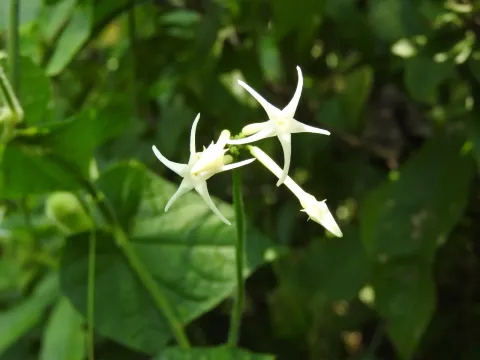
Rytidostylis
Rytidostylis
Rytidostylis is a heat-loving vine, so a seedling method is practiced to obtain a stable yield. Seeds are sown in pots 3–4 weeks before the end of the spring frost period.
What the section contains

Rytidostylis
The optimal soil temperature for seed germination is at least 20–22 degrees Celsius. When sowing directly into the ground, it is necessary to wait for the soil to warm up completely, as the culture is extremely sensitive to root system chilling.
The planting scheme for seedlings involves a distance of at least 50–70 centimeters between plants to ensure proper air circulation. The use of trellises or netting is mandatory, as this climbing plant requires vertical support.
When grown in a protected environment, sowing can start earlier, which extends the growing season. It is important to provide the plants with sufficient daylight, as a deficiency leads to the stretching of internodes.
Direct sowing in open fields is only possible in regions with long, warm summers, as fruit ripening requires a significant amount of heat units. In moderate climates, the crop performs better in greenhouses.
Rytidostylis, a member of the Cucurbitaceae family, has high soil fertility requirements. Light loams or sandy soils with a neutral or slightly acidic pH, rich in organic matter, are preferred.
The plant requires regular watering, especially during the flowering and active fruit-setting phases. However, waterlogging in the root zone must be avoided, as it can lead to root rot and fungal infections.
Light intensity is a critical factor for the normal development of the vine. The site must be well-protected from cold winds and located in a sunny spot throughout the day.
Fertilization is carried out using complex mineral fertilizers with high potassium and phosphorus content during the fruiting phase. Nitrogen fertilizers should be used moderately, mainly at the beginning of growth, to prevent excessive green mass development at the expense of fruits.
The crop has high growth vigor, so it requires bush formation through pruning lateral shoots. This stimulates the development of fruit sets and simplifies maintenance throughout the growing season.
The main threats to Rytidostylis are typical diseases for the Cucurbitaceae family, such as powdery mildew. It affects leaves in high humidity and temperature fluctuations, requiring the application of systemic fungicides.
The spider mite is an equally dangerous pest that spreads rapidly in dry and hot weather. Regular inspection of the underside of leaf blades allows for early problem detection and treatment with acaricides.
Aphids can also cause significant damage by sucking sap from young shoots and ovaries, leading to the deformation of plant organs. Preventative measures include using biological pest control agents or safe insecticides.
Root rot can occur due to systematic irrigation mismanagement and the use of cold water for watering. Prevention requires crop rotation and avoiding planting Rytidostylis after other cucurbit species.
In case of viral infections transmitted by insects, affected plants must be removed from the field immediately. Destroying plant residues is a prerequisite for preventing the spread of diseases to the next season.
Harvesting Rytidostylis is carried out selectively as the fruits reach technical maturity. Young, tender ovaries have the highest culinary quality and are suitable for immediate cooking.
It is recommended to harvest the fruits with pruning shears or a sharp knife to avoid damaging the fragile stems of the plant. Regular harvesting stimulates the formation of new ovaries, extending the fruiting period until late autumn.
Storage of fresh fruits is limited due to their thin skin and rapid moisture loss. The optimal solution is to use them immediately after picking or keep them for a short time in a cool place with high humidity.
During the harvest, monitor fruit condition, discarding damaged or overripe specimens. If long-term storage is necessary, the product can be processed by canning or pickling, which helps preserve its nutritional properties.
Harvesting concludes with the onset of the first autumn frosts, which are fatal to the vegetative parts of Rytidostylis. After this, all vine residues are removed from the field to clean the soil and prepare for the winter period.