
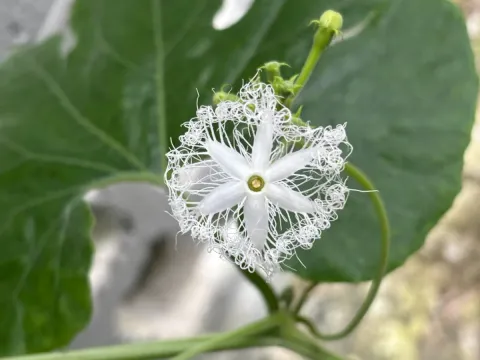
Gymnopetalum
Gymnopetalum
Gymnopetalum is a genus belonging to the Cucurbitaceae family. As a heat-loving crop, it requires stable warm weather for successful germination and early growth. Sowing directly in the field is only advisable once the soil temperature consistently reaches 18–20°C.
What the section contains
Gymnopetalum
The transplant method is highly recommended for commercial production. Seeds should be started in small containers 3–4 weeks before the anticipated planting date. This approach promotes the development of a vigorous root system, which is crucial for the plant's survival and establishment.
Optimal germination requires consistent temperatures between 25–28°C and high soil moisture. Using greenhouses or plastic tunnels during the initial stages is essential to protect young seedlings from nocturnal temperature drops and cold stress, which significantly hinder growth.
Site selection is paramount; choose a location that receives full sunlight and is sheltered from strong winds. Because the plant is sensitive to frost, its cultivation in temperate regions is strictly limited to greenhouses or protected environments throughout the season.
Standard planting density allows for 50–70 cm between individual plants. Since Gymnopetalum is a vining species, the installation of trellises or supports is a mandatory agronomic practice to ensure vertical growth, improve air circulation, and prevent fruit rot.
Gymnopetalum yields are highly dependent on soil fertility. The plant thrives in well-drained loamy or sandy soils rich in organic matter, with a neutral pH level. Providing high levels of nutrition is essential for vigorous vine development.
Consistent irrigation is vital throughout the vegetative stage. While the plants require plenty of moisture to maintain growth, waterlogging should be avoided to prevent root rot. Drip irrigation systems are preferred as they deliver water directly to the root zone.
Fertilization regimes should prioritize nitrogen in the early stages, while switching to phosphorus and potassium-rich blends during flowering and fruit set. Proper nutrient balance ensures the production of quality fruits with optimal taste and nutritional properties.
Photoperiod and light intensity are critical factors. Gymnopetalum requires long, bright days for optimal development. In low-light conditions, the plant may experience reduced fruit set and sluggish growth, making supplemental lighting beneficial in greenhouse settings.
Pruning lateral shoots is an essential maintenance task. By managing vine density, growers can improve airflow through the canopy, which reduces the incidence of foliage diseases and ensures that the plant directs energy toward fruit development rather than excessive biomass.
Powdery mildew is the most common disease affecting Gymnopetalum, especially in humid conditions. It manifests as a white, dusty fungal growth on leaves. Prompt application of fungicides is necessary to prevent widespread leaf necrosis and significant yield losses.
Pests such as spider mites and aphids are major threats, particularly during hot and dry spells. These pests damage the foliage and can transmit viral diseases. Integrated pest management, including biological controls or targeted insecticides, should be employed.
Root rot, typically caused by soil-borne pathogens, often occurs due to poor drainage and excessive watering. Maintaining a well-aerated soil structure and avoiding over-saturation are the primary preventative measures against these destructive soil pathogens.
Adherence to strict crop rotation is recommended. Planting Gymnopetalum in the same location as other cucurbits like cucumbers or melons should be avoided for at least three to four years to prevent the buildup of soil pathogens specific to this plant family.
- Remove and destroy infected plant parts immediately to stop disease spread.
- Monitor the underside of leaves weekly for early signs of mite or aphid infestation.
- Use mulch to prevent fruits from coming into direct contact with the soil.
- Ensure adequate distance between plants to allow for proper airflow and drying of foliage.
Harvesting should be performed on a selective basis as fruits reach technical maturity at different times. Harvesting at the correct stage is vital to ensuring the best texture and flavor, as over-mature fruits can become fibrous or bitter.
When harvesting, use a sharp knife or shears to cut the fruit stem, leaving about 2–3 cm attached to the fruit. Avoiding damage to the skin is critical, as any injury serves as an entry point for post-harvest pathogens that lead to rapid decay.
Proper post-harvest handling includes placing the fruits in a cool, well-ventilated area away from direct sunlight. This helps preserve the fruit's firmness and extend its shelf life for several weeks depending on the storage environment.
Frequent harvesting stimulates the plant to produce new blooms and additional fruit sets. If mature fruits are left on the vine for too long, the plant redirects its energy toward seed maturation, which ultimately ends the fruiting cycle prematurely.
The fruit should be handled carefully during sorting and packing to maintain its commercial value. Cleaning the fruits and ensuring they are dry before storage are standard procedures that contribute to better shelf stability for this niche market vegetable.