
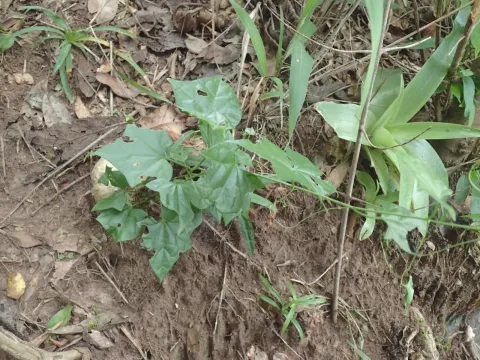
Gerrardanthus
Gerrardanthus
Sowing Gerrardanthus seeds should take place in early spring to take advantage of the increasing daylight hours. March and April provide the best conditions for seedlings to establish a healthy, thickened base.
What the section contains


Gerrardanthus
Use a sterile, well-draining substrate mix consisting of grit, perlite, and a small portion of potting soil. Sow seeds at a depth of about 0.5 to 1 centimeter and maintain consistent moisture in the medium.
Maintain temperatures between 22 and 25 degrees Celsius for optimal germination. Covering the container with a plastic lid or glass sheet will help preserve humidity, but regular ventilation is crucial to prevent fungal growth.
Once seedlings emerge, gradually remove the cover to acclimate them to ambient humidity levels. Provide bright, indirect light, as direct midday sun can be too harsh for newly sprouted young plants.
Potting up into individual containers should only occur once the plants have developed their second set of true leaves. Ensure the pots have adequate drainage holes to prevent water accumulation around the roots.
Gerrardanthus belongs to the Cucurbitaceae family and is native to the tropical regions of Africa. It is prized for its large, woody caudex, which acts as a water storage organ during dry seasons.
The plant requires a highly porous soil mix. A mixture specifically formulated for cacti and succulents is ideal, as it ensures that the roots and the base of the caudex do not sit in stagnant water.
During the growing season, place the plant in a spot that receives bright, filtered light. Sufficient sunlight is essential to keep the vines sturdy and the caudex firm and healthy.
Winter dormancy is a critical phase for this species. During this time, reduce watering to a minimum and keep the plant in a cooler, well-lit environment to allow it to rest before the next growth cycle.
Fertilization should be done sparingly using a balanced liquid fertilizer diluted to half strength. Apply nutrients only during the peak growing months to support the development of the foliage and vine growth.
Root and caudex rot are the primary threats to Gerrardanthus, usually caused by overwatering or poor soil drainage. Once the caudex becomes soft or mushy, recovery is often difficult or impossible.
Spider mites are common pests that thrive in dry indoor conditions. They feed on the underside of the leaves, causing stippling and eventual leaf drop, which weakens the plant's overall energy reserves.
Mealybugs are another frequent issue, often hiding in the leaf axils. They can be manually removed with a cotton swab dipped in rubbing alcohol or treated with appropriate systemic insecticides.
Scale insects can occasionally appear on the stems of the plant. Regular monitoring of the foliage and the stem surface is recommended to catch infestations before they spread across the entire vine.
To keep the plant healthy, ensure good air circulation around the crown. Avoid wetting the leaves during watering, and always allow the soil to dry out significantly between watering sessions.