
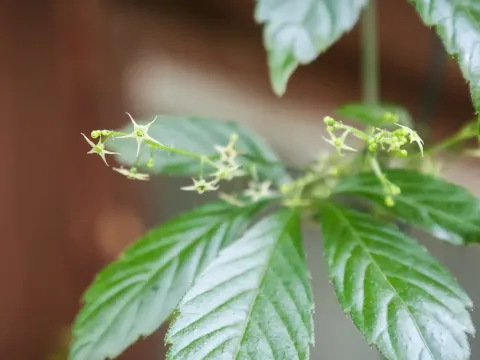
Gynostemma pentaphyllum
Gynostemma
Gynostemma pentaphyllum is primarily propagated through vegetative methods, specifically stem cuttings, as seed germination can be erratic and unreliable. Cuttings should be taken from healthy, actively growing stems during the late spring or summer months.
What the section contains

Gynostemma pentaphyllum
The optimal time to transplant rooted cuttings into open ground is after the last spring frost. The soil must be sufficiently warm, as the plant does not tolerate cold soil temperatures during the initial establishment phase.
If starting from seeds, sow them in trays filled with a sterile, well-draining substrate during early spring. Seeds often require a period of cold stratification to ensure uniform germination across the batch.
Maintain a spacing of at least 40–50 centimeters between individual plants. This spacing is crucial for preventing overcrowding, which is a major contributor to fungal diseases in humid climates.
As a climbing vine, Gynostemma requires vertical structures such as trellises or netting for proper growth. Supporting the plant off the ground is essential for aeration and simplifying the harvest process.
Gynostemma, a member of the Cucurbitaceae family, thrives best in partial shade. While it requires light to grow, direct and harsh sunlight can scorch its delicate foliage, reducing its commercial value.
The crop is highly moisture-demanding but also highly sensitive to waterlogging. The soil must remain consistently moist, but it must have excellent drainage to prevent root rot in the crown of the plant.
Ideal soil conditions are light, loamy, and rich in organic matter. A neutral or slightly acidic soil pH is preferred, as this range allows for optimal nutrient uptake and sustained vegetative growth.
The plant performs best in temperatures ranging between 20–25 degrees Celsius. In cooler climates, it is often treated as an annual or grown in containers that can be moved indoors before the first frost.
Regular fertilization with organic liquid feeds or compost tea during the growing season will significantly increase the total biomass. Avoid heavy synthetic nitrogen applications, as they can result in soft growth prone to pests.
The primary economic focus for Gynostemma is the production of leaves and stems for tea or extract processing. Yields are maximized when the plant is given sufficient vertical space to spread its canopy.
Peak biomass production usually occurs from the second year onwards once the plant has established a robust root system. A well-maintained vine can provide multiple harvests throughout a single growing season.
Commercial growers typically conduct two to three harvests per year. The first harvest should be planned when the plant is in full, vigorous growth, ensuring that enough plant material remains to allow for regrowth.
Pruning techniques are vital; stems should be cut back 10–15 centimeters from the base. This practice encourages lateral branching and the development of new, high-quality shoots for the subsequent cut.
Under intensive management and favorable environmental conditions, growers can expect a consistent dry weight yield that justifies the labor and maintenance required for this specialty crop.
Spider mites are the most common pests, especially in greenhouse environments or during dry, hot spells. Increasing ambient humidity or using overhead irrigation can help keep mite populations under control.
Root rots caused by overwatering or poor drainage are significant threats to the longevity of the plant. Ensuring the soil does not stay sodden for extended periods is a key management strategy.
Slugs and snails can cause considerable damage to the tender young shoots in moist weather. Using physical barriers or organic baiting is often necessary to prevent significant leaf loss during the rainy season.
Aphids may occasionally infest new growth, sucking the sap and causing curling of the leaves. Use of soft soaps or biological control agents like ladybugs can effectively mitigate these infestations without contaminating the harvest.
Maintaining adequate space between plants and promoting good air circulation are the best defensive measures against common foliar diseases such as powdery mildew in more humid growing regions.
The harvest should take place on a dry, sunny morning after the dew has evaporated. This timing ensures the plant is hydrated but free from surface moisture, which could lead to spoilage during drying.
Harvested foliage should never be piled in large heaps, as this induces internal heating and fermentation. Freshly cut stems must be processed or transported to the drying area immediately.
Dry the leaves in a well-ventilated, shaded area. Temperatures should be kept below 40 degrees Celsius to preserve the delicate gypenosides and maintain the natural, sweet-herbal flavor profile of the crop.
The final dried product should retain a vibrant green color. If the leaves turn dark or brown, it indicates that the drying process was too slow or that the temperature was too high, degrading the product.
Once fully dried, store the product in airtight, light-resistant containers. Keep the containers in a cool, dry place to protect the medicinal compounds from degradation by light and atmospheric moisture.