
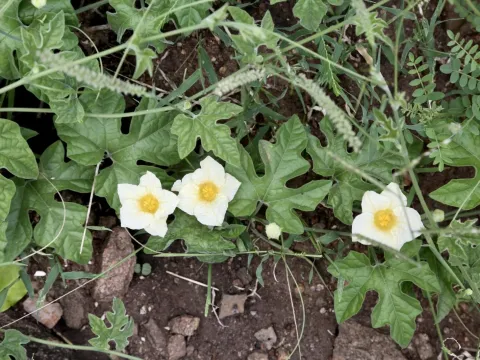
Eureiandra
Eureiandra
Eureiandra is a genus of flowering plants belonging to the Cucurbitaceae family. These plants are primarily native to tropical regions of Africa, where they function as climbing vines, utilizing specialized tendrils to ascend through their natural habitat and access sunlight.
What the section contains


Eureiandra
Botanically, these plants often exhibit woody or thickened roots or tubers, which serve as water-storage organs during periods of seasonal drought. The foliage is typically lobed, and the plant structure is consistent with the general morphology found in other climbing members of the gourd family.
To successfully cultivate Eureiandra, one must provide a well-drained, nutrient-rich soil environment. The plants are highly sensitive to waterlogged conditions, which can lead to fungal pathogens. Therefore, professional growers recommend using porous soil mixtures with efficient drainage systems.
Regarding climatic demands, the genus requires warm temperatures, ideally between 20°C and 30°C. They thrive in environments with high humidity and consistent light levels. Given their tropical origin, these plants are strictly intolerant of freezing conditions and require protection in temperate zones.
The economic utility of Eureiandra remains localized. While some fruits from this genus are consumed by indigenous populations, they require careful preparation due to potential bitter compounds. The plant is currently not categorized as a major global industrial crop but is of interest for ethnobotanical studies.