
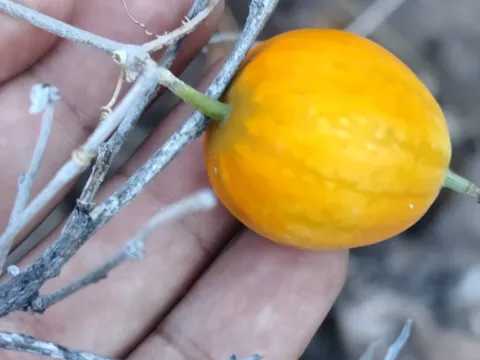
Ibervillea
Ibervillea
Sowing Ibervillea seeds is best performed in late spring when temperatures consistently exceed 20°C to ensure rapid and uniform germination.
What the section contains


Ibervillea
Seeds should be planted in a loose, well-draining mineral-rich substrate, preferably containing a significant portion of coarse sand or pumice.
Before sowing, soaking the seeds for 24 hours can significantly improve the emergence rate of the seedlings by softening the hard seed coat.
When sowing in trays, ensure that the seeds are covered with a very thin layer of substrate and kept in a bright, warm location.
Proper spacing is essential to prevent overcrowding, as Ibervillea vines can grow quite vigorously under favorable conditions.
Ibervillea is a member of the Cucurbitaceae family, characterized by a prominent succulent caudex that serves as a reservoir for nutrients and water.
The plant originates from arid regions in North and Central America, requiring intense sunlight and very high drainage in the soil profile.
Unlike standard vegetables, this crop does not tolerate stagnant water, which makes raised beds or rocky terrain ideal for outdoor cultivation.
During the active growing season, regular irrigation should be strictly followed by a complete drying of the root zone to prevent rot.
During winter dormancy, the plant requires cool and dry conditions to undergo its natural life cycle without stress or premature sprouting.
The most significant threat to Ibervillea is fungal root rot, primarily caused by waterlogged soil and poor aeration of the growing medium.
Spider mites are common pests that thrive in the dry environments preferred by these succulents, often causing yellowing and shedding of leaves.
Mealybugs can often be found hiding in the plant's growth points, necessitating prompt intervention with appropriate systemic insecticides.
Effective management involves maintaining high sanitation standards and avoiding excessive nitrogen fertilization that leads to soft, weak growth.
Regular inspection of the caudex surface is crucial to detect early signs of rot, allowing for surgical removal of affected tissue if necessary.