
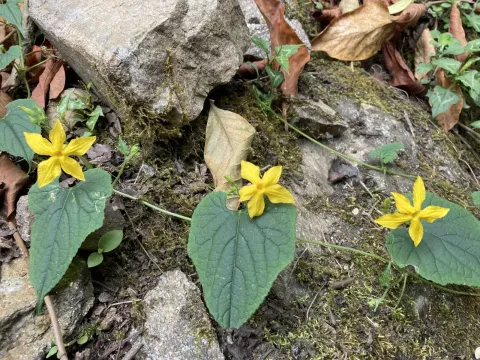
Herpetospermum
Herpetospermum
Herpetospermum (Herpetospermum) is a unique genus within the Cucurbitaceae family. It is typically grown for its seeds, which hold significant interest in ethnobotanical and medicinal research.
What the section contains


Herpetospermum
Sowing should take place only after the soil has thoroughly warmed up, as the plant is extremely sensitive to cold-induced stunting. The ideal soil temperature for germination is between 20°C and 25°C.
Seeds are sown at a depth of 3–4 cm. Proper spacing is essential, as the climbing habit of the vine requires significant horizontal and vertical space for optimal plant development.
Starting seeds in biodegradable peat pots is highly recommended to minimize transplant shock. Early spring sowing in sheltered conditions allows for a longer growing season in cooler climates.
Strategic placement in the field should ensure exposure to maximum sunlight, as photoperiod and light intensity are critical for the healthy development of this climbing plant.
The plant thrives in fertile, well-draining loamy soils with a neutral pH. Enhancing the soil with organic matter before sowing provides the necessary nutrients for the vegetative phase.
Adequate water management is crucial; while the plant requires consistent moisture for growth, waterlogged soil must be avoided at all costs to prevent root-related issues.
Providing a sturdy trellis or support system is standard practice. This not only encourages vine growth but also facilitates better air circulation, which reduces the incidence of foliage diseases.
The plant performs best in a warm, temperate climate with minimal temperature fluctuations. Excessive heat or cold can disrupt the flowering process and reduce final seed yield.
Regular monitoring of moisture levels is required throughout the growing season, especially during the transition from the flowering stage to fruit setting.
The primary economic focus for Herpetospermum is the harvest of mature seeds. The yield is determined by the total number of fruits produced per plant throughout the season.
Pollination efficiency is a key factor in yield stability. In greenhouse environments, manual pollination may be necessary to ensure maximum fruit set and seed development.
Harvesting is usually carried out in stages. As the fruits mature, they must be monitored closely to ensure they are picked at the correct stage of physiological maturity.
Post-harvest handling involves drying the collected seeds in a controlled environment to ensure long-term stability and to prevent mold growth on the seeds.
Successful management of soil nutrients and pest control are the main pillars for achieving consistent yields in commercial-scale production.
Pest management primarily involves monitoring for common cucurbit pests like aphids and spider mites. These insects can quickly colonize the foliage and sap the plant's vitality.
Fungal pathogens such as powdery mildew are common in high-humidity conditions. Proper spacing and airflow are the best preventive measures to manage these risks.
Root diseases often result from overwatering or poor soil drainage, making the plant susceptible to wilt. Crop rotation is an essential practice to maintain soil health.
- Spider mites (thrive in hot and dry conditions)
- Powdery mildew (appears as white patches on leaves)
- Aphids (vectors for various plant viruses)
- Root rot (associated with stagnant water)
Adopting an integrated pest management approach, utilizing organic controls, helps maintain the quality and safety of the harvested herbal product.
Harvesting begins in the autumn as the vines start to yellow and the fruits reach full maturity. Delaying harvest until the first frosts can be detrimental to seed quality.
After picking, the seeds are extracted from the fruits and cleaned thoroughly. This process requires attention to detail to avoid damaging the outer coat of the seeds.
Air-drying the seeds in a shaded, well-ventilated area ensures the moisture content drops to safe levels for storage. This prevents enzymatic degradation of the seeds.
Seeds should be stored in breathable, dry containers away from direct sunlight to preserve their viability and potential active compound profile for future use.
Implementing a strict selection process during harvest helps ensure that only the most viable seeds are saved for the next cultivation cycle.