
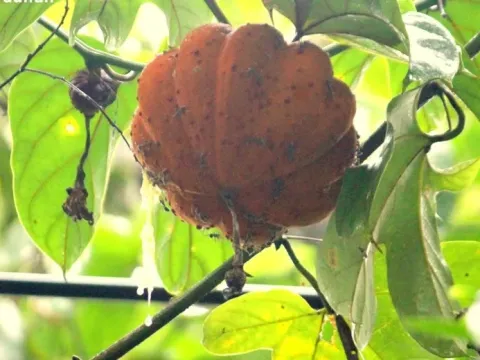
Hodgsonia
Hodgsonia
Hodgsonia (Hodgsonia macrocarpa), commonly known as lard fruit, is a large perennial vine belonging to the Cucurbitaceae family. It is native to the tropical forests of Southeast Asia, where it thrives in warm, humid microclimates.
What the section contains

Hodgsonia
Propagation is primarily carried out through seeds. Due to their tropical nature, seeds require high soil temperatures, consistently above 25°C, to ensure successful germination. They are typically sown in controlled nursery environments.
The growth rate of young seedlings is relatively slow. Providing a vertical structure or trellis early on is essential, as the plant naturally exhibits a climbing habit to reach for sunlight.
Careful attention must be paid to soil composition during the sowing phase. A well-draining, nutrient-rich substrate is vital to support the plant's initial development and prevent seed rot.
Transplanting into the permanent growing area should only occur when the threat of cold snaps has passed and the plant has established a strong, healthy root system.
Hodgsonia requires a strictly tropical climate. It thrives in temperatures ranging from 22°C to 30°C and is extremely sensitive to frost or cold winds, which can cause severe physiological stress.
High relative humidity, ideally above 70%, is necessary for the plant to maintain its metabolic functions. In drier regions, humidity must be supplemented through misting systems or greenhouse management.
The soil should be fertile, loose, and slightly acidic to neutral in pH. Because the plant is a vigorous grower, it requires a significant volume of soil to support its extensive root system.
Light requirements involve dappled shade, mimicking the forest canopy. Excessive direct sunlight can scorch the leaves and negatively impact the plant's overall health and vigor.
Water management is critical. The roots require consistent moisture but are prone to rotting in waterlogged soil. Proper drainage layers are a non-negotiable requirement for sustainable cultivation.
The plant produces large, distinctive fruits, often weighing several kilograms. These fruits contain numerous large, oil-rich seeds, which are the primary agricultural product of this species.
Under optimal conditions, a single mature vine can produce a substantial harvest. Yield is highly dependent on effective pollination, as the species relies on insect activity or manual intervention to fruit successfully.
The crop cycle is relatively long, requiring careful nutrient management, particularly during the fruit enlargement phase. Potassium and phosphorus application can help improve both the size and oil content of the seeds.
Productivity also depends on the structural support provided. A strong, durable trellis system prevents fruits from resting on the ground and rotting, significantly increasing the marketable yield.
Regular maintenance, including selective pruning of dead or diseased biomass, allows the plant to redirect its energy toward fruit development, optimizing the total annual output.
Root rot and various fungal pathogens are the most significant threats to Hodgsonia, usually triggered by poor drainage or excessive soil moisture levels during periods of low activity.
Powdery mildew can infect leaves, particularly in poorly ventilated greenhouses. Ensuring adequate spacing between plants and maintaining good airflow are essential preventative measures.
Pests like spider mites and aphids are common in humid environments. Regular monitoring of the underside of leaves is necessary to catch and control infestations before they spread.
Nematodes are another silent threat that can colonize the root system, causing stunted growth and lower yields. Soil solarization or the use of organic amendments can help manage nematode populations.
Snails and slugs can cause significant damage to young shoots. Protecting the base of the plant during the early stages of growth is an important part of the farm's integrated pest management strategy.
Harvesting is performed manually once the fruits reach maturity. This is indicated by a change in skin texture and color, as well as a distinct hollow sound when tapped.
Care must be taken when removing the fruit from the vine to avoid damaging the primary stems, which can be brittle. Sharp, sanitized pruning tools are required for a clean cut.
Post-harvest, the fruits are typically left to cure for a short period before the seeds are extracted. Extracting seeds is a manual process that requires skill to avoid damaging the kernels.
Proper drying of the seeds is essential for long-term storage and oil quality. They should be air-dried in a shaded, well-ventilated area to prevent rancidity of the plant fats.
The refined seeds are highly valued for their oil content, which is used in traditional medicine and culinary applications due to its unique fatty acid profile.