
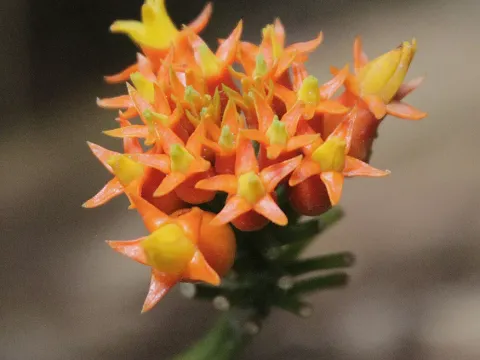
Gurania
Gurania
Gurania is a tropical perennial vine that requires controlled environments for successful cultivation in temperate zones. Seeds should be sown in late winter or early spring using a well-draining, nutrient-rich potting mix to give the plants a head start.
What the section contains

Gurania
Maintain soil temperatures around 25 to 28 degrees Celsius to ensure consistent germination. Seeds are typically sown at a depth of 1-2 centimeters, and the container should be kept in a humid, warm location until the seedlings emerge.
Once seedlings have developed at least two pairs of true leaves, they should be transplanted into individual pots. Using peat pots is highly recommended to minimize root disturbance during the final planting stage.
Supplemental lighting is crucial during the early growth phase if the plant is grown indoors during low-light winter months. Aim for at least 12-14 hours of light exposure per day to prevent the seedlings from becoming leggy.
Proper spacing is essential to allow for adequate airflow, which is critical for preventing fungal diseases in the early stages of the Gurania life cycle.
Belonging to the Cucurbitaceae family, Gurania thrives in tropical conditions. It requires bright, indirect light, as direct afternoon sun can scorch the foliage and hinder growth rates significantly.
The soil should be fertile and humus-rich with a slightly acidic to neutral pH. A mix of peat, perlite, and organic compost provides an ideal structure that balances moisture retention with effective aeration.
Consistent temperature is vital for the health of this vine. The ideal range is 20-28 degrees Celsius; the plant does not tolerate frost or cold drafts, which can cause leaf drop and cessation of photosynthesis.
High humidity levels (between 70% and 80%) are essential for the plant to thrive. In indoor settings, this can be achieved through regular misting or the use of humidifiers in the growing area.
Watering must be regular, ensuring the substrate remains moist but never waterlogged. Overwatering is the most common cause of root rot, so ensuring a drainage layer at the bottom of the pot is a mandatory practice.
Gurania is primarily cultivated for its aesthetic appeal in greenhouses and conservatories. Its yield of fruit is generally not of major economic importance but can be achieved through deliberate management.
Since Gurania plants are dioecious (having male and female flowers on separate plants), pollination is a significant challenge. Hand-pollination is often necessary to ensure fruit set in a controlled environment.
The fruits, which are small, cucumber-like berries, develop over several weeks following successful fertilization. Productivity depends heavily on the vigor of the vine and the availability of trellis space for expansion.
Optimal yields are achieved when the plant is given sufficient root volume and a balanced fertilizer schedule high in potassium and phosphorus to support the reproductive phase.
While the fruits are edible, they are mostly consumed locally or by enthusiasts. There is no large-scale commercial standard for Gurania fruit yields, as the plant remains a botanical curiosity.
Common pests include spider mites and whiteflies, which thrive in the warm, humid conditions that the plant prefers. Early detection and treatment with insecticidal soaps are effective methods of control.
Fungal diseases, including powdery mildew, are major threats that often appear as white, dusty patches on the leaf surface. Improving airflow and reducing leaf wetness during the evening hours can significantly lower infection rates.
Root rot caused by Phytophthora or Pythium species is a common issue resulting from overwatering or poor soil drainage. Sanitation is key to preventing the spread of these pathogens in a collection.
Managing the plant's environment—specifically humidity and airflow—is the most effective way to prevent pest and disease outbreaks. Regular inspections of the foliage, especially the undersides, are standard agronomic procedure.
- Regular pruning of dead or diseased vine sections.
- Use of sanitized tools to prevent cross-contamination.
- Implementing integrated pest management (IPM) strategies.
- Monitoring irrigation levels daily.