
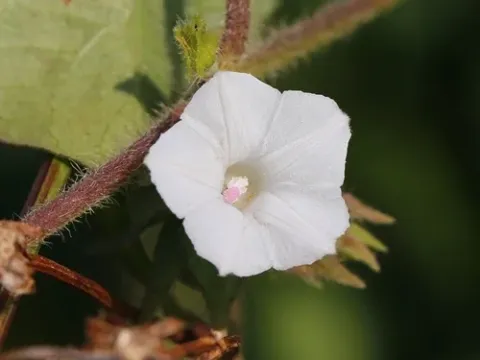
Hardwick's morning glory
Ipomoea hardwickii
Sowing Hardwick's morning glory should take place once the soil has warmed up to at least 15-20 degrees Celsius. As a tropical species, it cannot withstand cold, frosty soil conditions, making late spring the ideal time for outdoor sowing.
What the section contains
Hardwick's morning glory
To improve germination rates, it is highly recommended to nick the hard seed coat or soak the seeds in lukewarm water for approximately 12 to 24 hours prior to planting. This process initiates the germination cycle more effectively.
Seeds should be planted at a depth of roughly 1-2 cm in well-prepared, loose soil. Maintaining consistent moisture during the germination period is critical to ensure that the seedling successfully emerges from the soil surface.
For regions with shorter growing seasons, starting seeds indoors in biodegradable peat pots is advisable. This method prevents root disturbance during the final transplanting phase, which is crucial for this sensitive climber.
When transplanting young plants outdoors, choose a site with deep, fertile soil. Ensure the seedlings are properly hardened off before they are permanently exposed to outdoor environmental fluctuations.
Ipomoea hardwickii is a vigorous climbing vine belonging to the Convolvulaceae family. It is recognized for its ability to climb quickly, provided it has access to sturdy vertical structures such as trellises or wires.
This crop thrives in full sun, requiring at least six to eight hours of direct sunlight daily to produce high-quality foliage and flowers. It prefers fertile, well-draining soil with a pH balance that is slightly acidic to neutral.
The watering regime should be consistent, especially during peak summer temperatures. The plant requires enough water to keep the soil moist, but drainage must be excellent to prevent the roots from rotting in waterlogged soil.
Support is essential for the healthy development of this plant. As a twining vine, it requires vertical surfaces that allow the stems to wrap around them, facilitating better airflow and light penetration across the leaf canopy.
Routine maintenance includes removing faded flowers and dead stems. This not only keeps the plant looking tidy but also prevents unnecessary energy expenditure, allowing the vine to focus on new growth.
Spider mites are a common threat to Hardwick's morning glory, particularly in hot and dry climates. They typically cluster on the undersides of leaves, causing discoloration and eventual decline in foliage health.
Aphids can also infest the tender shoots and buds, sucking plant sap and potentially transmitting viral infections. Early identification is key to managing populations before they cause significant damage.
Fungal issues, such as powdery mildew, often arise if the plant lacks sufficient air circulation. Keeping the canopy sparse and ensuring adequate space between neighboring plants helps mitigate this risk significantly.
Root rot, caused by overwatering or soil compaction, is a lethal threat to the plant's vascular system. Ensuring the planting site has excellent drainage is the best preventative measure against soil-borne pathogens.
Biological control agents, such as ladybugs or insecticidal soaps, are effective ways to manage pest infestations without relying on heavy chemical interventions. Regular scouting remains the most effective management strategy.