
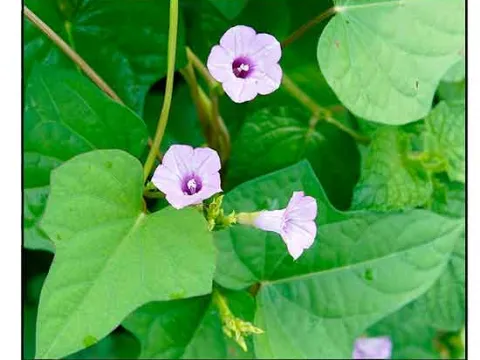
Hairy Morning Glory
Ipomoea hirta
Ipomoea hirta, commonly known as Hairy Morning Glory, belongs to the Convolvulaceae family. As a heat-loving crop, it should be sown only after the risk of frost has passed and soil temperatures have consistently reached 15-18 degrees Celsius.
What the section contains
Hairy Morning Glory
For direct seeding, choose sunny areas with well-draining soil. It is highly recommended to soak the seeds in warm water for 24 hours prior to planting, as this softens the hard seed coat and ensures more uniform and rapid germination.
Seeds should be planted at a depth of 1.5 to 2 centimeters. Proper spacing is essential, as the vigorous climbing stems can compete with surrounding vegetation for nutrients and light if sown too densely.
In cooler climates, start the seeds indoors during March or April. Using individual pots helps in preventing root disturbance during transplanting, as the species does not react well to bare-root relocation once the root system is established.
Maintain a stable temperature of 20-22 degrees Celsius for germination. Once seedlings emerge, provide ample light to prevent stretching; this ensures that the young plants are robust and prepared for the transition to outdoor conditions.
Sunlight is the primary requirement for successful growth. Hairy Morning Glory thrives in full sun, where the intensity of light promotes healthy stems and abundant flowering. Shaded areas will result in leggy plants and reduced vegetative vitality.
The ideal soil is fertile, well-draining, and slightly loamy. Avoid heavy, waterlogged soils as these can cause root rot. If the soil is clay-heavy, incorporating organic matter or creating raised beds is highly beneficial for moisture regulation.
Regular watering is necessary during the vegetative phase. While the plant possesses moderate drought tolerance once mature, consistent moisture levels ensure maximum growth and prevent the shedding of lower leaves during peak summer heat.
Avoid heavy nitrogen fertilizers, as they encourage excessive foliage growth at the expense of floral production. A balanced fertilizer applied sparingly during the growing season is sufficient to support the nutritional needs of the plant.
Providing vertical support structures such as trellises, netting, or stakes is crucial. Without support, the vines will crawl across the ground, which increases susceptibility to soil-borne pathogens and makes maintenance more difficult for the grower.
Spider mites are the most significant pest, particularly in dry and hot conditions. They feed on the underside of the leaves, causing stippling, yellowing, and eventual leaf drop if the infestation remains unchecked for an extended period.
Powdery mildew is a common fungal threat, characterized by a white, dusty growth on the leaf surfaces. Good air circulation is the best preventative measure, though chemical fungicides may be necessary in high-humidity environments.
Aphids can cause significant damage by clustering on new shoots and flower buds, sucking sap and stunting development. Early detection and the use of insecticidal soaps are often sufficient to manage populations without the need for harsh chemicals.
Root rot occurs if the plant is overwatered or if the drainage is insufficient. It manifests as a sudden wilt despite moist soil conditions, necessitating an immediate reduction in irrigation and assessment of the soil drainage quality.
Viral infections can cause leaf mosaic and distorted growth patterns. Since there is no cure for these diseases, prevention via the control of insect vectors and the immediate removal of symptomatic plants is vital for the health of the crop.