
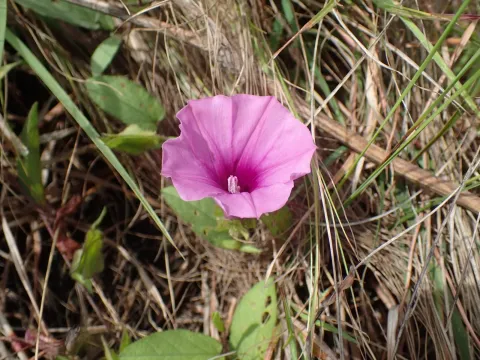
Ipomoea crassipes
Ipomoea crassipes
Sowing Ipomoea crassipes requires selecting a time when the risk of frost has completely passed. In temperate zones, this typically falls in late spring, ensuring the soil has warmed up sufficiently for active seed germination.
What the section contains
Ipomoea crassipes
The seeds should be sown directly into well-prepared soil or started in trays for transplanting later. Proper spacing is essential, with plants set at least 30 centimeters apart to allow for vigorous vine growth and proper airflow.
Seed treatment, such as a brief soak in lukewarm water, helps soften the seed coat and improves the overall germination rate. Covering the seeds with a thin layer of fine soil is recommended to maintain moisture around the embryos.
During the early establishment phase, consistent moisture is vital to support the rapid development of the root system. Once the plants reach a certain size, they become more resilient to moderate drought conditions.
Staggered sowing can be used to ensure a continuous display of flowers throughout the entire summer season. Each batch of seeds should be placed in well-drained spots to avoid early development issues.
Ipomoea crassipes belongs to the Convolvulaceae family and is recognized for its climbing habit and aesthetic value. Understanding its biological needs is key to successful agricultural production.
The crop demands full sun exposure to flourish and produce high-quality blooms. Partial shade can lead to stunted growth and reduced flower density, making site selection a critical decision for growers.
Soil composition must be loose and fertile, with an emphasis on excellent drainage. Amending the soil with organic matter such as compost helps maintain the necessary nutrient levels for sustained vegetative growth.
Climatic requirements focus on warmth and stability. The plants are sensitive to prolonged exposure to cold temperatures, so protection from sudden weather shifts is often beneficial in early developmental stages.
Infrastructure is needed for these climbing plants. Trellises, wire nets, or sturdy stakes are required to manage the growth trajectory and ensure that foliage does not accumulate excessive humidity at the base.
Aphids pose a significant threat to Ipomoea crassipes by colonizing the tender tips of the vines. Regular monitoring is necessary to intervene before the population causes significant damage to the floral displays.
Spider mites are another common challenge, especially in hot and dry climates where they thrive. Using water misting or targeted acaricides can help manage mite populations before they reach economic damage thresholds.
Fungal diseases can arise if irrigation techniques result in wet foliage or waterlogged roots. Providing good ventilation between rows helps mitigate the impact of powdery mildew and other related pathogens.
Integrated pest management should include the removal of crop residues at the end of the season to prevent the overwintering of common agricultural pests. Maintaining good sanitation is the foundation of crop health.
- Monitor leaves for signs of discoloration.
- Apply balanced fertilization based on soil analysis.
- Use physical barriers against creeping pests.
- Ensure early detection of pathogens to limit chemical usage.