
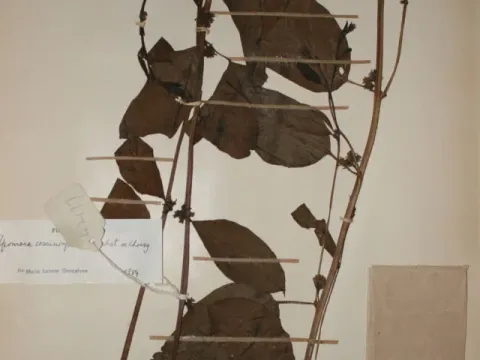
Ipomoea coscinosperma
Ipomoea coscinosperma
Ipomoea coscinosperma is a heat-loving crop that requires stable, warm temperatures to germinate successfully. Sowing should only occur once the threat of spring frost has completely passed and the soil has sufficiently warmed up.
What the section contains
Ipomoea coscinosperma
The ideal time for planting is late spring when soil temperatures consistently remain above 15–18 degrees Celsius. Planting in cold, damp soil significantly increases the risk of seed decay and results in poor crop establishment.
For regions with shorter growing seasons, starting seeds in seedling trays or individual pots 3–4 weeks before the last frost date is recommended. The plant has a delicate root system, so pots that can be planted directly into the soil are preferred.
The optimal sowing depth is approximately 1 to 2 centimeters. This depth ensures that the seed remains protected from surface drying while allowing the hypocotyl to reach the surface efficiently after germination.
Initial seedlings will emerge within 7 to 12 days if moisture and heat levels are maintained. Once the second set of true leaves develops, the plants may be hardened off and transplanted to their permanent location.
As a member of the Convolvulaceae family, Ipomoea coscinosperma thrives in full sunlight. It requires at least 6 to 8 hours of direct sun exposure daily to maintain robust health and optimal growth rates throughout the season.
The crop prefers well-drained, fertile soil with a slightly acidic to neutral pH. Soil structure should be loose enough to allow for deep root penetration, preventing the soil from becoming compacted or waterlogged.
Regular irrigation is essential, especially during the peak of the growing season. While the plants require consistent moisture, avoiding standing water is crucial to preventing root diseases that frequently affect this genus in poorly drained areas.
Fertilization should be balanced according to the plant's development stage. Nitrogen-heavy fertilizers should be minimized as the plant approaches the reproductive phase to encourage the development of fruit rather than excessive foliage.
Temperature management is vital, as the species originates from tropical environments. Growth is significantly hindered if nighttime temperatures drop below 10 degrees Celsius, which can lead to metabolic stress and stunted plants.
Common pests include aphids and spider mites, which can cause significant damage during hot and dry spells. These pests usually colonize the underside of the leaves, necessitating frequent scouting and the use of targeted insecticides.
Fungal issues, such as powdery mildew, often arise in environments with poor air circulation or high relative humidity. Maintaining proper spacing between plants is the primary cultural practice to mitigate the spread of these fungi.
Root rot represents a major physiological and pathological threat to Ipomoea coscinosperma. Symptoms include sudden wilting despite adequate soil moisture, indicating that the vascular system has been compromised by pathogen invasion.
Viral pathogens may cause leaf mottling and structural deformation. Because there are no effective treatments for viral infections, the best management strategy is to remove and destroy infected plant material immediately.
- Implementation of wide crop rotations.
- Monitoring for vector insects like whiteflies.
- Maintaining optimal soil drainage.
- Disposing of infected plant debris.