
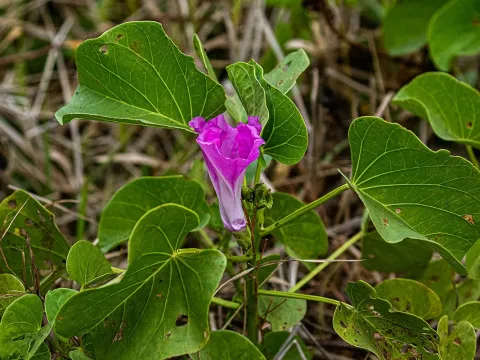
Ipomoea crassifolia
Ipomoea crassifolia
Ipomoea crassifolia is a member of the Convolvulaceae family, characterized by its distinct, thick, and fleshy foliage. This botanical feature allows the plant to thrive in environments with intermittent water availability, showcasing its evolutionary adaptation to harsh conditions.
What the section contains
Ipomoea crassifolia
Native to African regions, this species is well-adapted to arid and semi-arid climates. It is a thermophilic plant that requires high light intensity to maintain its structural integrity and metabolic activity, making it unsuitable for shaded areas.
The soil requirements for Ipomoea crassifolia emphasize the need for excellent drainage. Loamy or sandy soil compositions are preferred, as they mimic the natural growing environment and ensure that the root system remains oxygenated, preventing root hypoxia.
Climate adaptation is a key factor in the agronomy of this species. Being highly frost-intolerant, it requires stable, warm temperatures throughout its growing season. In non-native temperate zones, it is typically managed under greenhouse conditions to avoid cold stress.
The crop requires careful irrigation management. Even though it displays xerophytic traits due to its fleshy leaves, consistent moisture is necessary during the early stages of growth to establish a robust root system capable of sustaining the plant during maturation.
Common pests affecting Ipomoea crassifolia include spider mites and aphids, which frequently target the soft, young tissues of the plant. These pests can rapidly colonize the crop if environmental humidity is maintained at low levels for extended periods.
Fungal pathogens such as powdery mildew represent a significant threat to the foliage quality. High humidity and poor air circulation are the primary drivers of these infections, which can spread quickly across dense stands if not managed through proper spacing.
Root rot, primarily caused by excessive moisture and poor soil drainage, is the most detrimental condition for this species. Once the root system is compromised, the plant shows symptoms of wilting and necrosis that are generally irreversible.
Integrated pest management (IPM) practices, including the use of biological control agents and localized chemical treatments, are recommended for maintaining crop health. Monitoring for early signs of infestation is critical for economic success in cultivation.
Sanitation practices play a vital role in disease prevention. Removing debris and ensuring that irrigation equipment is properly calibrated helps in creating a hostile environment for common pathogens, thereby reducing the dependency on fungicides.