
Ipomoea cordatotriloba
Ipomoea cordatotriloba
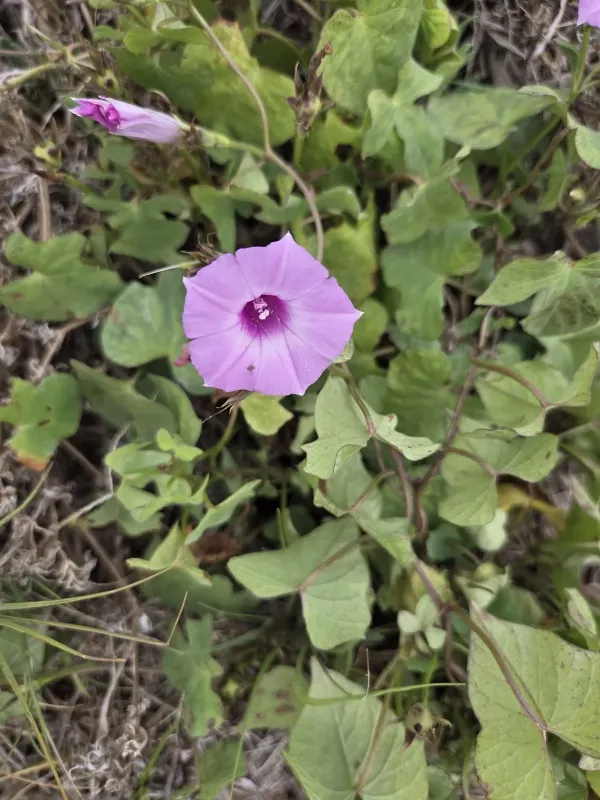
Description
Sowing dates
The sowing process for Ipomoea cordatotriloba begins in the spring, once soil temperatures have consistently risen above 15 degrees Celsius.
Outdoor planting is best conducted in late May, as the species is highly sensitive to cold weather and frost, which can severely damage young seedlings.
Seeds should be scarified or soaked in warm water for up to 24 hours prior to planting to ensure a uniform and faster germination rate in the field.
When starting indoors, using biodegradable peat pots is highly recommended to minimize root disturbance during the final transplanting phase.
Sowing depth should be kept shallow, specifically within the 1 to 2 centimeter range, to allow the delicate sprouts to reach the soil surface effectively.
Growing requirements
Belonging to the Convolvulaceae family, Ipomoea cordatotriloba requires full sun exposure and warm temperatures to support its rapid vertical vegetative growth.
The ideal soil profile for this species consists of loose, well-drained loamy soil enriched with organic matter and a neutral pH balance.
Agronomic management must include the installation of vertical trellises or supports, which are essential for the climbing nature of this specific Ipomoea.
The plant demonstrates a strong preference for protected locations, shielded from excessive wind which could damage the stems or inhibit the flowering process.
Consistent watering is necessary for healthy development, although over-irrigation must be strictly avoided to prevent fungal infections in the root zone.
Main diseases and pests
Major pests affecting this crop include spider mites and aphids, which often thrive in hot and dry climates, damaging the foliage and stems of the plant.
Fungal pathogens such as powdery mildew represent a significant threat during periods of high humidity and poor ventilation among dense plant canopy layers.
Integrated pest management strategies are crucial, involving both biological control methods and appropriate chemical interventions when threshold levels are exceeded.
Maintaining proper spacing between individual plants is the most effective cultural method to prevent the spread of diseases and pests within the plantation.
- Regular monitoring of leaf surfaces for early signs of infestation
- Implementation of pruning to improve air circulation within the vine
- Strategic irrigation management to maintain optimal soil humidity