
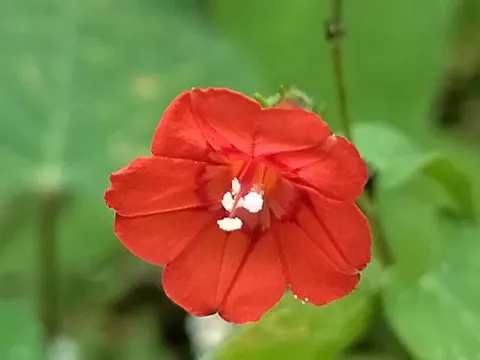
Ipomoea cholulensis
Ipomoea cholulensis
Ipomoea cholulensis is a member of the Convolvulaceae family, native to the tropical regions of Mexico and Central America. It is a vigorous climbing plant known for its adaptability to various warm-climate environments.
What the section contains
Ipomoea cholulensis
The plant thrives in full sun exposure, which is essential for maximizing its growth rate and flower production. It generally performs best when provided with vertical structures, such as trellises or fences, that allow for proper air circulation.
Soil requirements for this species include well-draining, nutrient-rich substrates with a slightly acidic to neutral pH level. It does not tolerate waterlogging, which often leads to root health issues and poor development.
Climatic conditions for optimal cultivation require consistently warm temperatures. As a tropical species, Ipomoea cholulensis is highly sensitive to frost, necessitating protection or indoor cultivation when grown in regions outside its natural habitat.
Regarding water management, the plant requires consistent moisture during the growing season. However, once established, it demonstrates moderate drought tolerance, although performance is significantly enhanced with stable irrigation.
The primary pests affecting Ipomoea cholulensis include aphids and spider mites. These insects tend to colonize the undersides of leaves, causing yellowing and stunted growth if left unmanaged by agricultural producers.
Fungal pathogens such as powdery mildew are frequent threats, especially in areas with high humidity and poor ventilation. Maintaining adequate spacing between plants is a crucial cultural practice to prevent outbreaks.
Root rot caused by soil-borne fungi is another major concern. Producers are advised to implement strict drainage protocols and avoid overwatering, particularly in heavy or poorly structured soil types.
Integrated pest management strategies involve the use of sticky traps and the introduction of natural predators to control insect populations. This minimizes the reliance on broad-spectrum chemical pesticides.
Regular monitoring of the foliage for early signs of disease, such as necrotic spots or powdery coatings, allows for rapid intervention with targeted fungicides, preserving the overall health and vigor of the crop.