
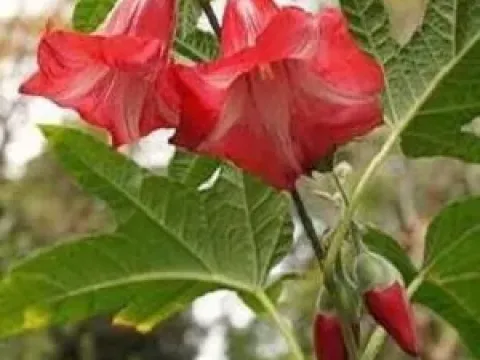
Ipomoea bullata
Ipomoea bullata
Ipomoea bullata is a member of the Convolvulaceae family, primarily native to tropical African environments. This species is recognized for its unique, bullate (puckered or blistered) leaf texture, which distinguishes it from other common members of the genus.
What the section contains
Ipomoea bullata
The plant functions as a climbing vine, possessing vigorous growth habits that require substantial structural support. Botanically, it thrives in warm, humid conditions and is highly sensitive to frost, necessitating protection or indoor cultivation in temperate geographic zones.
Optimal growth is achieved in environments with high solar radiation and consistent temperatures between 22 and 28 degrees Celsius. Providing sufficient space for root development is essential, as the species tends to establish a strong, expansive root system.
Soil requirements focus on high organic matter content combined with excellent drainage. Waterlogging must be strictly avoided, as the plant is highly susceptible to root decay when subjected to anaerobic conditions in the root zone.
Cultural management involves precise irrigation practices to keep the soil moist but not saturated. Fertilization with a balanced NPK ratio during the vegetative phase significantly enhances foliage density and the overall health of the climbing stems.
Common pests include spider mites, which thrive in low-humidity indoor environments. Effective management strategies involve regular misting and the application of targeted miticides if infestation levels exceed economic thresholds.
Aphid colonies may develop on terminal shoots, leading to stunted growth and leaf curling. Integrated pest management, including natural predators or localized insecticidal soaps, is effective in maintaining plant vigor.
Fungal pathogens such as powdery mildew can compromise the health of the foliage, especially under conditions of poor air circulation. Improving ventilation around the plants remains the primary preventative measure for this condition.
Root and stem rot diseases, often caused by overwatering or contaminated soil, pose a significant risk to the longevity of Ipomoea bullata. Soil sterilization and proper drainage are critical components of disease prevention.
Mechanical damage from gastropods, such as slugs and snails, can occur when plants are exposed to humid outdoor conditions. Establishing barrier zones or using iron phosphate baits can help prevent significant tissue loss in young specimens.