
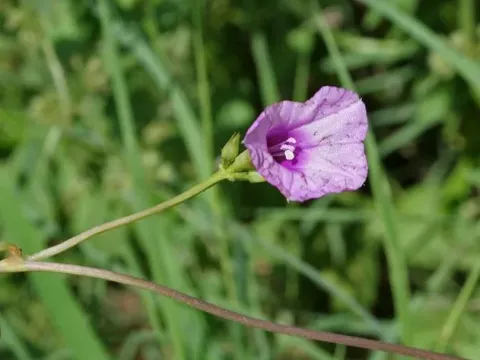
Ipomoea aristolochiaefolia
Ipomoea aristolochiaefolia
Sowing of Ipomoea aristolochiaefolia should be performed during the spring once the soil has warmed up sufficiently. In regions with short summers, starting seeds indoors in individual pots is recommended to give the plants a head start.
What the section contains
Ipomoea aristolochiaefolia
The ideal time for outdoor sowing is after all danger of frost has passed and soil temperatures have reached at least 15 degrees Celsius. Seeds should be planted at a shallow depth of about 2 centimeters.
Pre-soaking seeds in warm water for 24 hours significantly improves germination rates. Using a high-quality, well-draining seed-starting mix ensures the development of strong root systems during the early growth phase.
When starting indoors, move seedlings to their permanent location once they have developed two or three sets of true leaves. Careful handling is required to avoid disturbing the sensitive root system during transplantation.
Choosing a site sheltered from strong winds is essential for the young plants. The delicate vines require protection from physical damage during their initial growth period to ensure successful establishment.
This species belongs to the Convolvulaceae family and thrives in sunny locations with high light intensity. Adequate exposure to sunlight is crucial for both vegetative growth and the development of the plant's characteristic foliage.
The plant prefers fertile, light, and well-drained soil. It is adaptable to various soil types, but standing water must be avoided to prevent root rot and other physiological issues related to over-saturation.
Regular but moderate watering is necessary to keep the soil consistently moist. During dry spells, supplemental irrigation is required to maintain the plant's vigor and prevent leaf wilting.
As a climbing vine, Ipomoea aristolochiaefolia requires sturdy support structures. Trellises, wire meshes, or garden netting provide the necessary framework for the plant to climb and spread effectively.
Fertilization with a balanced, low-nitrogen fertilizer should be performed every few weeks throughout the growing season. Excessive nitrogen can promote foliage at the expense of plant health and structure.
Spider mites are a common pest, particularly in dry and hot conditions. Monitoring the underside of the leaves is important to detect these small pests before they cause widespread damage to the vine.
Aphids can also infest the young shoots and buds, causing stunted growth. If populations become significant, the application of appropriate biological or chemical insecticides may be necessary to protect the plant.
Fungal diseases, such as leaf spot or various forms of rot, are frequently associated with high humidity and poor air circulation around the plants. Pruning affected areas helps to mitigate the risk of infection.
Root rot is often the result of improper drainage or over-watering. Maintaining optimal soil moisture levels and ensuring the planting site is well-drained is the primary defense against such issues.
Good sanitation practices, including the regular removal of weeds around the base of the plant, can reduce the incidence of viral infections often transmitted by insect vectors in the garden.