
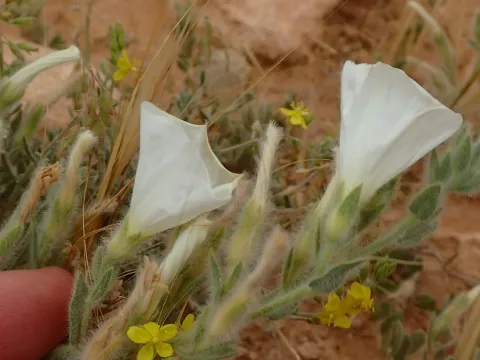
Convolvulus supinus
Convolvulus supinus
Convolvulus supinus is a perennial plant typically propagated by seeds during the early spring season. Sowing should occur once the soil has warmed sufficiently, ensuring the surface temperature supports rapid germination and steady initial growth.
What the section contains
Convolvulus supinus
Seeds should be planted at a shallow depth of 1–2 centimeters to ensure good contact with the soil while allowing for sufficient oxygen exposure. Proper seedbed preparation is essential to achieve a uniform stand across the planting area.
The spacing between rows should be optimized to allow for mechanical weeding and proper air circulation. Careful consideration of planting density is necessary to balance resource availability and minimize intraspecific competition among the growing plants.
Following germination, the seedlings require consistent monitoring to ensure they are not outcompeted by aggressive weeds in the early stages. However, once established, the root system of this species provides a competitive advantage in arid environments.
Using high-quality, certified seeds is recommended to maximize the success rate of the plantation. The timing of sowing is critical and should be adjusted based on local regional climatic data to avoid frost-related damage.
As a member of the Convolvulaceae family, Convolvulus supinus is highly adapted to challenging soil conditions. It thrives best in well-drained, sandy-loam soils that prevent waterlogging, which can be detrimental to the plant's health.
The plant demonstrates excellent light requirements, demanding full solar exposure throughout the day. Areas with shade should be avoided, as insufficient light will lead to spindly stems and poor biomass production.
Regarding climate, this species is well-suited for regions characterized by high temperatures and low annual precipitation. Its inherent drought tolerance makes it a valuable candidate for agricultural use in dry zones.
Soil nutrient management should focus on maintaining adequate levels of potassium and phosphorus to support robust root growth. Nitrogen applications should be moderate, as excessive nitrogen can lead to vegetative overgrowth at the expense of floral health.
Proper aeration of the soil through regular tilling is vital for the health of the plant. Maintaining the soil structure helps ensure deep root penetration, which further enhances the plant's natural resistance to environmental stress.
Convolvulus supinus is susceptible to various fungal diseases, most notably powdery mildew under humid conditions. The presence of white spots on leaves is a primary indicator of infection, which requires immediate attention to prevent spread.
Insect pests, including aphids and spider mites, can cause significant damage by feeding on the sap of the plant. These pests can weaken the overall structure of the plant and facilitate the entry of secondary viral or bacterial infections.
Integrated pest management strategies should be employed to control these threats effectively. This includes monitoring the populations of beneficial insects that can act as natural predators to the common pests of the Convolvulus genus.
In cases of severe infestation, targeted application of environmentally safe insecticides is recommended. It is important to rotate crops to break the lifecycle of soil-borne pathogens and maintain the long-term fertility of the land.
Proactive care involves inspecting leaves and stems for early signs of damage. Maintaining high standards of hygiene within the field and removing debris helps reduce the habitat available for pests to overwinter.