


Reference · Crops
Cressa
Cressa
The Cressa genus reproduces primarily through seeds that mature at the end of the vegetative cycle. In wild habitats, these seeds rely on seasonal moisture to break dormancy and germinate successfully.
1
items
What the section contains
Marketplace
Products in this section · 1
Cressa
For cultivation, sowing is best performed during the spring season once the soil has warmed up. Providing a stable soil temperature is crucial for accelerating the emergence of seedlings and ensuring uniform crop density.
Seeds should be planted at a shallow depth, typically 1 to 2 centimeters deep. Covering them with too much soil may prevent the small sprouts from reaching the surface before their energy reserves are depleted.
Initial irrigation is necessary immediately after planting to ensure the seed coat is softened. Once the seedlings establish their root systems, they become more resilient to dry conditions.
Careful spacing is recommended to prevent competition between individual plants. Proper row management also facilitates weeding and inspection during the early growth stages.
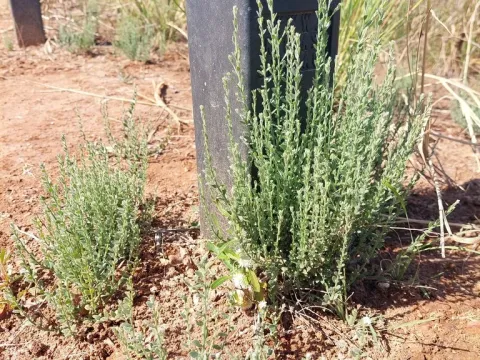
Cressa is a genus within the Convolvulaceae family, known for its members being highly adapted to saline environments. As halophytes, these plants thrive in soils where osmotic stress would kill most conventional crops.
Growth requirements emphasize the need for well-drained, sandy, or loamy soil. The plants are extremely sensitive to waterlogging, which often leads to rapid decay of the root system in poorly aerated environments.
Cressa requires full exposure to sunlight to maintain high photosynthetic activity. Even minor shading can lead to stunted growth and reduced concentrations of secondary metabolites.
The climate must be subtropical or tropical, as the plant does not tolerate prolonged freezing temperatures. It is perfectly adapted to arid regions with high ambient temperatures and intense solar radiation.
Soil chemistry should ideally contain moderate to high salt levels, as the plant has developed specialized mechanisms to utilize these salts for internal water balance and osmotic regulation.
The economic value of Cressa is primarily centered on its pharmaceutical potential. Cultivation programs are focused on maximizing the yield of aerial biomass for active ingredient extraction.
Productivity is highest during the peak flowering stage. This is when the plant channels its resources into reproductive structures, which are often the most concentrated sources of desired chemical compounds.
Harvesting techniques involve precision cutting to ensure that the crown of the plant remains intact. This promotes vegetative regrowth, allowing for multiple harvests over the plant's lifespan.
Immediate drying of the harvested biomass is essential to ensure quality. Rapid moisture reduction stops microbial growth and prevents the degradation of delicate bioactive compounds.
Long-term yields depend heavily on maintaining soil health and preventing excessive soil compaction. Regular monitoring of crop nutrition ensures that plants remain vigorous and productive year after year.
Fungal pathogens represent the primary threat to Cressa plantations, especially when humidity levels remain high for extended periods. Root and stem rots are the most common diseases.
Pest pressure is relatively low because the high salt content in the plant tissues makes it unpalatable to most generalist herbivores. Aphids can occasionally colonize young shoots during prolonged droughts.
Weed management is vital only during the establishment phase. Once the plant forms a ground cover, its specialized physiology allows it to outcompete most invasive weeds in saline soil conditions.
Preventive measures include crop rotation and the selection of disease-free seed lots. Avoiding nearby plantings of other Convolvulaceae members can also help minimize the risk of host-specific infections.
Environmental stress monitoring is key, as nutrient imbalances can mimic symptoms of disease, leading to unnecessary chemical applications and increased production costs.