
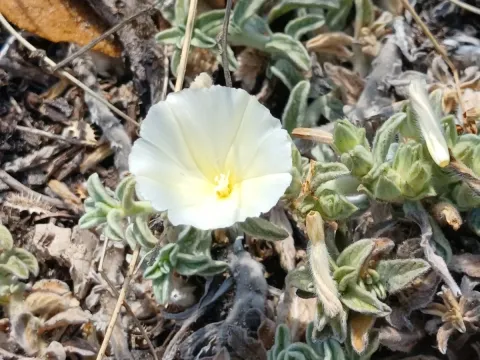
Convolvulus secundus
Convolvulus secundus
Convolvulus secundus belongs to the Convolvulaceae family and is known for its distinct botanical characteristics. Sowing should be carried out when soil temperatures consistently reach 15 degrees Celsius, typically during mid-spring.
What the section contains
Convolvulus secundus
The seeds require a well-prepared seedbed with fine soil structure to ensure consistent contact for optimal germination. Sowing depth should be kept at 1–2 centimeters, allowing for adequate light access which helps trigger the germination process.
Spacing between plants should be maintained at 25–30 centimeters to allow for healthy development of the root system and to prevent overcrowding. Proper spacing is a key factor in ensuring high-quality plant development throughout the season.
Prior to planting, it is recommended to soak the seeds to soften the outer coat. This simple pretreatment often results in more uniform germination rates and stronger initial establishment of the seedlings in the field.
Once the seedlings emerge, they should be monitored for any signs of stress or nutrient deficiency. Proper thinning may be required if the density of the seedlings exceeds the recommended planting scheme for the specific area.
As a light-loving species, Convolvulus secundus thrives in locations with full sun exposure. Adequate light is essential for the plant to maintain its structural integrity and achieve its full flowering potential.
The species prefers well-drained, fertile soil with a neutral to slightly alkaline pH. Sandy loam soils are ideal as they provide the necessary aeration and prevent moisture retention around the roots.
While the plant is somewhat drought-tolerant, regular irrigation is recommended during prolonged dry spells. Water should be applied directly to the soil to prevent leaf wetting, which can encourage fungal growth.
Fertilization with balanced mineral nutrients is beneficial during the vegetative growth phase. However, care should be taken to avoid excessive nitrogen application, which can lead to rapid foliage growth at the expense of flower production.
Regular maintenance, including weeding and soil aeration, is necessary to minimize competition for nutrients. Keeping the soil surface loose allows for better gas exchange, significantly boosting the overall vitality of the plant.
Fungal diseases, including powdery mildew, represent the primary threat to Convolvulus secundus. These pathogens thrive in high humidity and stagnant air, often exacerbated by dense planting or poor site drainage.
Insects like aphids and spider mites can attack the leaves during hot, dry weather conditions. Early detection is crucial, and management strategies should focus on integrated pest control to minimize chemical intervention.
Root rot is a major risk in waterlogged soil conditions. Ensuring proper drainage is the most effective way to prevent this disease, as chemical fungicides are rarely effective once the root system has been compromised.
Sanitation practices are essential for disease prevention, including the removal of dead plant material at the end of the season. This reduces the primary inoculum for potential outbreaks in the following year.
If persistent pest or disease pressure occurs, it is recommended to rotate the crop to a different location in the garden. This prevents the buildup of soil-borne pathogens and allows the previous site to recover naturally.