
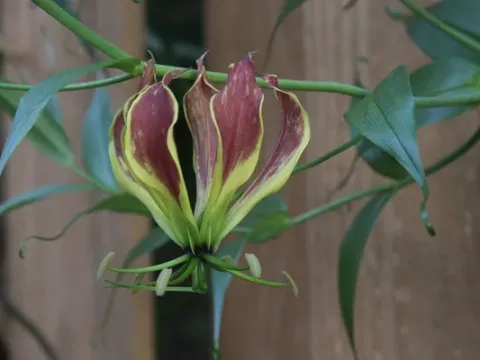
Gloriosa carsonii
Gloriosa carsonii
Gloriosa carsonii is a stunning tuberous vine belonging to the Colchicaceae family. Native to the tropical regions of East Africa, this species has evolved in climates characterized by distinct wet and dry cycles, which must be replicated in cultivation to ensure plant health.
What the section contains
Gloriosa carsonii
The culture requires high levels of bright, indirect light to thrive and produce its signature flowers. In controlled environments like greenhouses, maintaining a stable temperature between 22 and 28 degrees Celsius is crucial during the active growth phase to stimulate development.
Regarding soil requirements, the plant demands a light, porous, and nutrient-rich medium. A mixture of loamy soil, compost, and coarse sand provides the necessary drainage to prevent waterlogging, which is a major physiological stressor for this species.
Cultural practices must involve the installation of sturdy trellises or stakes. The plant uses specialized tendrils on its leaf tips to climb, so providing a vertical structure is essential for its structural integrity and for maximizing photosynthesis.
Host use of Gloriosa carsonii is strictly ornamental. Its exotic appearance makes it a premium choice for vertical gardening in conservatories and glasshouses, where its climbing habit can be effectively displayed as a focal point in specialized landscapes.
The most common pests affecting this culture are aphids, spider mites, and scale insects. These organisms tend to proliferate in conditions with low humidity, causing significant damage by sap-sucking, which leads to leaf yellowing and stunted growth.
Root rot, primarily caused by Phytophthora or Pythium species, remains the most significant threat to the plant. It is frequently triggered by poor drainage and excessive irrigation, leading to the rapid decay of the tuberous roots.
Integrated pest management is the recommended approach for maintaining healthy plants. This involves regular monitoring of leaf undersides and the immediate application of appropriate acaricides or systemic insecticides if pest populations exceed economic thresholds.
Maintaining proper hygiene within the greenhouse is essential to prevent the spread of fungal spores. Removing old foliage and ensuring adequate airflow around the plant canopy significantly reduces the risk of foliar pathogens.
Dormancy management is a key aspect of preventing rot. During the rest period, tubers should be stored in a cool, dry place to prevent fungal growth while ensuring they do not completely desiccate and lose viability for the next season.