
Clusia
Clusia L.
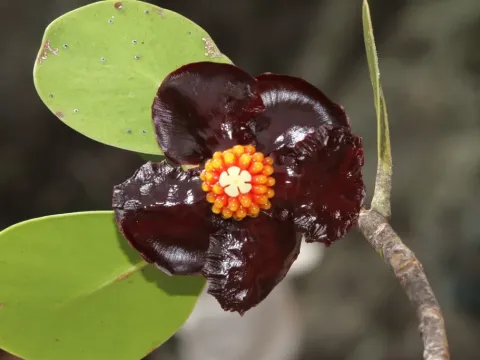
Clusia (genus Clusia L.) is a diverse group of evergreen trees and shrubs belonging to the Clusiaceae family. Native to tropical regions of the Americas, these plants are known for their thick, succulent-like leaves and their unique ability to grow as hemiepiphytes in wild forest habitats.
What the section contains

Clusia
Cultivation requires a tropical climate with consistent temperatures ideally ranging between 20°C and 28°C. Clusia plants thrive in bright, indirect light; intense midday sun can scorch their foliage, while deep shade leads to leggy growth and poor leaf development.
The substrate must be well-draining, mimicking an epiphytic environment. A professional mix should incorporate components such as orchid bark, peat moss, perlite, and coarse sand. This structure ensures sufficient oxygen reaches the roots, preventing compaction over time.
Agronomic practices include regular irrigation during the growing season, allowing the top third of the soil to dry out between waterings. Humidity levels should be kept high, especially in indoor environments, to ensure the health of the waxy leaf surfaces.
The economic and ornamental utility of Clusia is primarily centered on landscaping in frost-free regions and greenhouse production. Due to their tolerance to various light conditions and aesthetic value, they are widely recognized as high-end ornamental foliage plants.
Scale insects are a primary pest concern for Clusia, appearing as small brown bumps on stems and leaf undersides. Control measures involve manual removal with alcohol-soaked swabs or the application of systemic horticultural oils.
Mealybugs often infest leaf axils, manifesting as white, cotton-like masses. Infestations weaken the plant by extracting sap, which may lead to the secondary development of sooty mold on the foliage surface.
Root rot caused by Phytophthora or Pythium species is a severe threat driven by overwatering and poor drainage. Symptoms include wilting despite moist soil, browning of the root tips, and eventual collapse of the entire plant structure.
Spider mites represent a frequent problem in low-humidity environments, appearing as tiny webs between leaves. Maintaining higher humidity levels and periodic leaf cleaning are the most effective non-chemical preventative strategies against these pests.
Leaf spot diseases caused by fungi or bacteria can occur if foliage remains wet for extended periods in stagnant air. Ensuring adequate airflow around the plant canopy is essential for preventing the spread of these infectious agents.