
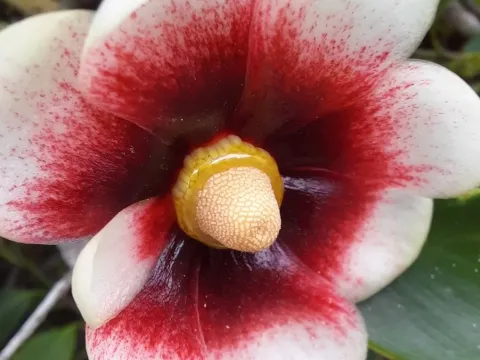
Clusia lanceolata
Clusia lanceolata
Clusia lanceolata is a distinctive member of the Clusiaceae family, known for its elegant, lance-shaped leathery leaves. Native to the tropical rainforests of South America, this species often exhibits hemi-epiphytic growth habits in its natural habitat.
What the section contains
Clusia lanceolata
This crop thrives in warm, humid conditions with temperatures typically ranging between 20°C and 28°C. It is highly sensitive to cold stress, requiring protection from temperatures below 15°C to maintain healthy physiological functions.
Soil requirements focus on excellent drainage and aeration. A substrate consisting of peat, pine bark, and perlite provides the optimal physical structure to prevent waterlogging, which is essential for the health of its root system.
The plant benefits from bright, indirect light. While it is adapted to tropical forest environments, intense direct sunlight may cause leaf scorching. Careful management of light exposure is crucial to maintaining the aesthetic quality and growth rate.
Agronomic management includes a consistent irrigation schedule, allowing the substrate to partially dry out between waterings. Regular application of balanced liquid fertilizers during the active growing season supports leaf development and overall plant vigor.
Scale insects are primary pests that infest the stems and underside of leaves. Manual removal or the application of horticultural oils and systemic insecticides are the standard control measures used in commercial settings.
Spider mites represent a significant threat during periods of low humidity. These pests can rapidly decrease plant vigor, making regular monitoring and maintaining proper environmental moisture levels essential for crop protection.
Root rot, often caused by Pythium or Phytophthora species, is a common issue when soil drainage is insufficient. Strict control of irrigation frequency and ensuring high-quality drainage systems are the best preventative strategies.
Mealybugs can cluster in leaf axils, causing deformation and stunted growth. Integrated pest management practices, including the use of targeted biological agents or soaps, are recommended for sustainable control.
Fungal leaf spot diseases may occur under conditions of poor air circulation and excessive leaf wetness. Improving ventilation and keeping the foliage dry are fundamental practices to mitigate the risk of such infections.