
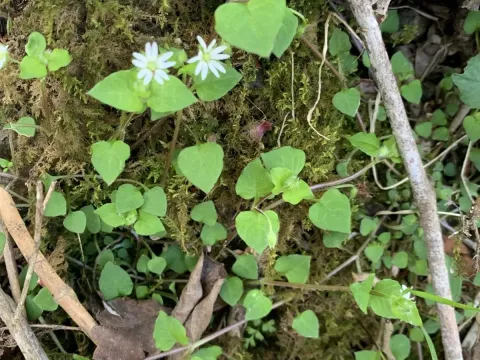
Stellaria sessiliflora
Stellaria sessiliflora
Stellaria sessiliflora is a perennial herbaceous plant belonging to the Caryophyllaceae family. Naturally, it is found in the Far East, typically inhabiting moist forest ecosystems and areas with high humus content in the soil structure.
What the section contains
Stellaria sessiliflora
The botanical classification is defined by its sessile leaves, which are attached directly to the stem. It typically grows in loose mats or clusters, utilizing its creeping stem structure to spread across the available substrate, which makes it an effective ground cover in specific conditions.
This species requires high levels of atmospheric and soil moisture for optimal development. It is characterized by significant shade tolerance, allowing it to thrive in low-light environments, which is essential for cultivation under a canopy or in shaded nursery conditions.
The preferred soil type consists of loamy or forest-derived soils with a neutral or slightly acidic pH level. Good drainage is vital, as the plant needs moisture but cannot tolerate root stagnation, which frequently results in physiological stress for this specific type of flora.
Cultivation management involves careful monitoring of soil moisture and the implementation of mulching strategies to replicate the plant's natural forest floor environment. Fertilization should be kept to a minimum to avoid chemical sensitivity and damage to the delicate root system.
The primary threats to this plant involve fungal infections triggered by excessive humidity and poor air circulation. Powdery mildew and various leaf spot diseases are common, necessitating preventive measures such as ensuring adequate spacing between individual plants.
Pest populations typically include slugs and snails, which feed on the succulent foliage and can significantly reduce biomass. Monitoring for aphids is also recommended, as these insects can cause developmental stunting during the most active growth phases of the plant.