
Stellaria sikkimensis
Stellaria sikkimensis
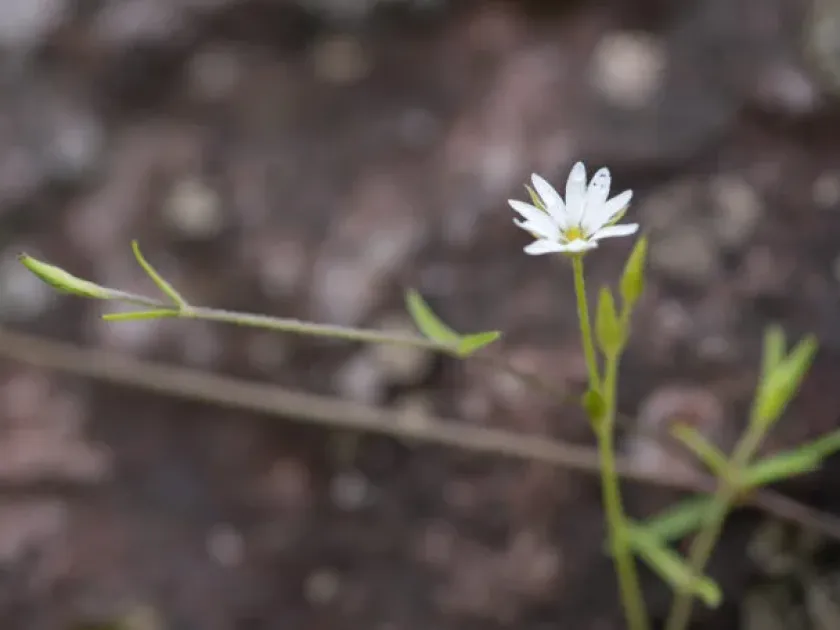
Description
Growing requirements
Stellaria sikkimensis is a perennial herbaceous plant belonging to the Caryophyllaceae family. It is a specialized species native to high-altitude regions, specifically distributed within the Himalayan range, where it thrives in alpine and subalpine meadow environments.
Botanically, this species is defined by its prostrate or ascending growth habit, often forming dense mats that provide ground cover in harsh climates. Its leaves are generally lanceolate and arranged in opposite pairs, typical of the Stellaria genus within the pink family.
The ecological requirements of Stellaria sikkimensis center on moist, well-draining soils that are rich in organic matter. Because it originates from alpine ecosystems, it requires a stable, cool environment and is intolerant of high-heat conditions that induce stress and wilting.
Cultivation of this species requires careful management of irrigation and microclimate. It performs best in conditions that mimic its natural mountain habitat, featuring high relative humidity and protected positions that shield it from excessive direct midday heat.
From an agricultural and botanical perspective, the plant is valued for its hardiness and environmental resilience. Although it is not a large-scale commercial crop, its biological adaptations to cold and high-altitude stresses offer significant insights for specialized horticulture and plant research.