
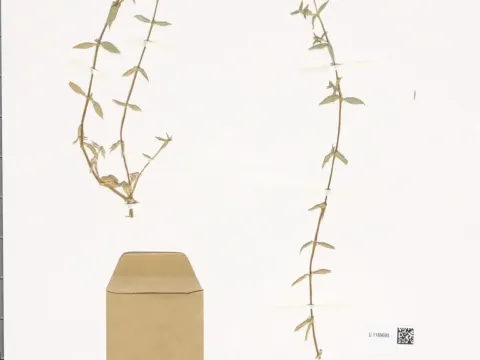
Stellaria patens
Stellaria patens
Stellaria patens belongs to the Caryophyllaceae family and is recognized as a hardy herbaceous plant with potential for agricultural use. It is widely valued for its rapid biomass accumulation and ability to thrive in various temperate environments.
What the section contains
Stellaria patens
The crop prefers fertile, well-drained soils with a balanced nutrient profile. While it can adapt to different soil types, loamy soils that retain moisture without becoming waterlogged are considered optimal for ensuring maximum plant development and yield potential.
Climate requirements for Stellaria patens are characterized by a high tolerance for cool conditions. It is well-suited for regions with seasonal temperature fluctuations, as the plant can withstand early spring frosts, which facilitates a wider planting window.
Adequate water management is essential for successful cultivation. Although the plant is moderately resilient, consistent soil moisture during the vegetative growth phase is crucial for achieving the desired biomass. Irrigation may be necessary during extended dry spells.
Agronomic practices include thorough site preparation and regular weed control, especially during the early stages of growth when the crop is most vulnerable. Supplemental fertilization with nitrogen-based compounds can significantly boost growth rates.
The primary threats to Stellaria patens include various fungal pathogens such as rust and powdery mildew. These diseases are more prevalent in areas with high humidity and poor air circulation within the plant canopy.
Pest pressures primarily come from sap-sucking insects and leaf miners, which can weaken the plant and reduce overall vigor. Integrated pest management strategies are recommended to keep populations below the economic damage threshold.
Preventative measures are highly effective in managing crop health. Maintaining proper plant density and following strict crop rotation schedules helps break the disease cycle and prevents the buildup of soil-borne pathogens in the field.
For chemical intervention, it is important to select products that are effective yet environmentally sustainable. Application should only occur when monitoring indicates that the level of infestation or disease is likely to negatively impact the total yield.
Biological control agents, such as beneficial insects or microbial inoculants, offer a modern alternative for managing threats. Utilizing these methods helps maintain the ecological balance of the farmland while protecting the quality of the harvested crop.