
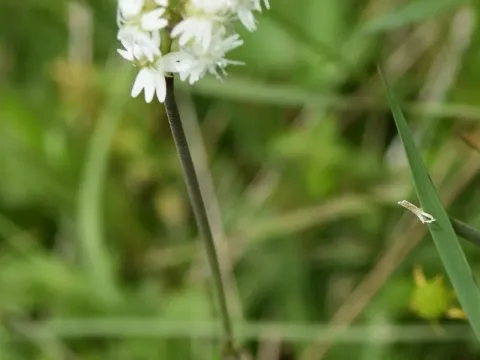
Silene roemeri
Silene roemeri
Sowing Silene roemeri seeds should typically occur in early spring once the threat of severe frost has passed and soil temperatures stabilize.
What the section contains
Silene roemeri
For indoor propagation, seeds can be started in trays during late winter, ensuring the growing medium remains moist but not waterlogged during the germination phase.
The seeds are small and should be lightly pressed into the soil surface, as light is often required for optimal germination of this species.
Once seedlings develop two true leaves, they should be carefully pricked out and transplanted into larger containers before being hardened off for outdoor planting.
Proper spacing is crucial for mature plants, typically requiring about 30 to 40 centimeters apart to ensure healthy air circulation throughout the growing season.
Silene roemeri belongs to the Caryophyllaceae family and is recognized as a hardy perennial that is well-adapted to rocky or open soil environments.
The plant thrives in full sun exposure and requires a well-draining soil profile to prevent crown rot, which is common in stagnant, heavy clay soils.
It prefers a neutral to slightly alkaline pH, which mirrors its natural limestone-based habitats found across its native geographical range.
Watering requirements are moderate; while the plant is somewhat drought-tolerant once established, regular irrigation during dry spells promotes more vigorous growth.
Minimal fertilization is usually necessary if the soil is fertile; however, a balanced organic amendment in spring can help sustain prolonged flowering periods.
Primary threats to Silene roemeri include fungal infections like powdery mildew, which thrive in humid and crowded garden environments with poor airflow.
Insect pests, particularly aphids and spider mites, are frequent visitors that can significantly damage foliage and young buds if left unmanaged.
Root rot is a critical concern, often caused by overwatering or soil compaction, requiring immediate drainage correction and fungicide intervention.
Keeping the area around the plants free of weeds is essential to prevent competitive stress and the potential hosting of harmful pests or diseases.
Regular inspection of the undersides of leaves is recommended to detect early infestations of small pests, allowing for targeted and effective control measures.
The harvesting of seed heads should be performed when the capsules are fully dry and firm to ensure maximum maturity and high viability for future planting.
It is important to harvest before the capsules shatter naturally, which usually occurs once the pods dry completely in the late summer sun.
After collection, the material should be spread on a clean surface in a cool, dry area to finish drying before the seeds are separated from the chaff.
For ornamental gardens, deadheading spent blooms is a common practice that keeps the planting area tidy and prevents the plant from self-seeding excessively.
Properly cleaned and dried seeds should be stored in airtight containers at cool temperatures to maintain high germination rates for up to three years.