
Silene oropediorum
Silene oropediorum
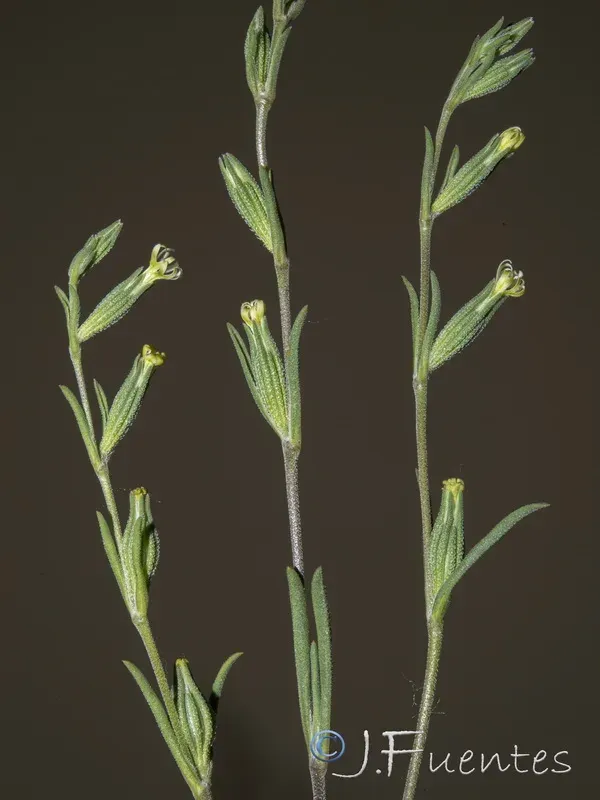
Description
Sowing dates
Silene oropediorum is a hardy perennial belonging to the Caryophyllaceae family, well-adapted to specific ecological niches. Planting is typically scheduled for early spring, once the soil has sufficiently thawed and reached a stable temperature to support seed germination.
Seeds should be sown at a shallow depth of approximately 1-2 centimeters in a well-drained, porous substrate. Maintaining consistent, moderate soil moisture during the germination phase is critical for achieving optimal seedling density and uniform crop emergence.
For container-based propagation, sowing is performed in late winter or early spring inside a greenhouse, followed by transplanting into the field after the danger of severe frost has passed. Spacing plants adequately is essential to ensure proper ventilation.
Vegetative propagation via root division is another viable agricultural technique for this species. This is best performed in the dormant season, specifically early spring, to encourage rapid root establishment in the new planting site without thermal stress.
Quality seed selection remains the foundation of successful cultivation. Ensuring that seeds are free from impurities and pathogens significantly reduces the risk of crop failure and enhances the overall vigor of the subsequent plant population.
Growing requirements
This species thrives in sunny, open locations, reflecting its mountain origins. Adequate sunlight is vital for maintaining plant vigor and preventing etiolation, which often occurs if the plants are situated in shaded or insufficiently lit areas.
The ideal soil profile for Silene oropediorum consists of light, sandy-loam structures with excellent drainage capacity. The plant is sensitive to waterlogging, as excessive soil moisture promotes root system degradation and invites fungal infections.
While the species exhibits high drought tolerance once established, supplemental irrigation is beneficial during periods of prolonged drought, particularly in the active growth phase. However, irrigation must be carefully managed to avoid soil saturation.
Climatic adaptability is a hallmark of this plant, as it is naturally suited to cooler, temperate environments. It demonstrates significant winter hardiness, surviving cold temperatures while requiring minimal structural protection during the winter months.
Agrotechnical maintenance involves periodic weed control and light cultivation of the upper soil layer to facilitate air exchange. Nutrient management should focus on balanced, low-dose fertilizers, prioritizing phosphorus and potassium to boost resilience.
Main diseases and pests
The primary threats to Silene oropediorum are associated with moisture-related issues, such as root rot and stem blight. These conditions are typically exacerbated by high humidity levels and inadequate spacing between individual plants in the field.
Powdery mildew is a prevalent foliar disease that appears as a white coating on the leaves, particularly during periods of warm and humid weather. Implementing proper sanitation, such as removing infected leaves, helps in curbing the disease spread.
Pests like aphids and spider mites are frequent invaders of the foliage. These insects extract plant sap, weakening the host and potentially leading to stunted growth. Monitoring populations and applying targeted treatments are necessary for control.
Lepidopteran larvae can cause localized damage to the buds and flowers, impacting the plant's reproductive potential. Integrated pest management strategies, combining biological controls and selective insecticides, prove effective in protecting the crop.
- Maintain proper plant density to encourage airflow.
- Implement routine site sanitation to reduce disease inoculum.
- Monitor for early pest signs to ensure timely intervention.
- Ensure drainage systems are functional before the growing season.