
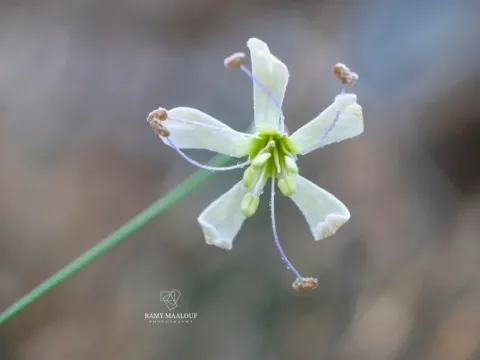
Silene libanotica
Silene libanotica
Silene libanotica, a member of the Caryophyllaceae family, is a perennial herb known for its resilience in mountain habitats. For cultivation purposes, seeds are typically sown in early spring once the soil temperature consistently reaches 10-12 degrees Celsius.
What the section contains
Silene libanotica
Direct sowing in well-prepared beds is preferred for long-term growth. Seeds should be sown very shallowly, barely covering them with a light layer of sand or fine grit, as light is a critical factor for the germination process of this species.
The germination period usually spans several weeks depending on moisture availability and ambient temperature. During this time, the soil surface should be kept lightly damp, but avoiding waterlogging is essential to prevent seed rot.
Indoor propagation using seedling trays is a common alternative for cooler climates. Seeds are sown in a light, sterile potting medium in late winter or early spring, kept at a moderate temperature, and transplanted after the danger of frost has passed.
Proper spacing is crucial during establishment. Young plants should be spaced at least 20-30 centimeters apart to ensure adequate airflow around the foliage, which significantly reduces the incidence of fungal pathogens as the plants mature.
The primary requirement for successful cultivation of Silene libanotica is excellent drainage. As a plant native to stony, alpine slopes, it cannot tolerate "wet feet" and will quickly succumb to root decay if planted in heavy, clay-rich soil.
Exposure to full sun is non-negotiable. This species thrives in bright, open conditions where it can photosynthesize efficiently, developing strong stems and a compact growth habit that is characteristic of its natural mountain form.
The soil should be lean and gritty, with a neutral to slightly alkaline pH. If the existing soil is too rich, it should be amended with crushed limestone, pea gravel, or coarse sand to simulate the natural, mineral-dense environment of its native range.
Watering needs are minimal once the plant is established. It is highly drought-tolerant and performs best when allowed to dry out between irrigation cycles. Supplemental watering is only necessary during prolonged dry spells in the peak of summer.
Nutrient requirements are low. Fertilizing should be kept to a minimum, as high nitrogen levels encourage weak, leggy growth that makes the plant more susceptible to wind damage and diseases rather than promoting healthy flower production.
Root and crown rot are the most significant threats to the survival of Silene libanotica. These fungal infections are almost exclusively triggered by improper drainage or excessive soil moisture, emphasizing the need for a grit-heavy growing medium.
Aphids can be a common pest, particularly on the tender young flower stalks. These insects suck sap from the plant tissues and can stunt flower development; physical removal or insecticidal soaps are usually sufficient for effective control.
Powdery mildew is another recurring issue, especially when the plants are grown in overcrowded conditions with poor air circulation. Removing affected foliage and improving the spacing between plants are the most effective management strategies.
Spider mites might infest the plants during hot, dry summer months. Their presence is often detected by fine webbing on the leaves; keeping the plant healthy and preventing extreme moisture stress helps the plant resist such infestations.
While the species is naturally robust, pests and diseases are essentially indicators of sub-optimal growing conditions. Ensuring proper sun exposure, adequate drainage, and good ventilation are the most effective preventive measures available to growers.