
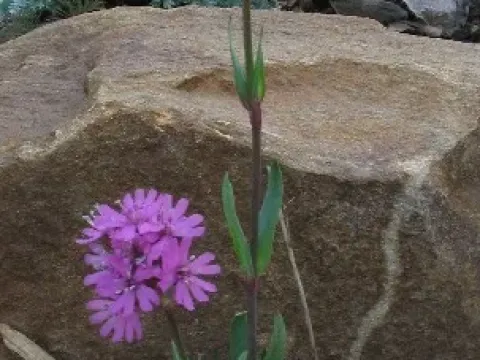
Silene keiskei
Silene keiskei
Sowing seeds of Silene keiskei is typically done in the spring, allowing the plants to establish before the heat of summer. Autumn sowing is also an option in colder climates, as the seeds often benefit from a period of cold stratification.
What the section contains
Silene keiskei
The seeds should be sown on the surface of a light, well-draining substrate. Because they require light for germination, they should be pressed gently into the soil rather than being deeply covered, maintaining moisture levels consistently.
Germination usually takes several weeks under controlled conditions with temperatures around 18–20 degrees Celsius. Once the seedlings develop their first true leaves, they can be carefully moved into individual pots.
When handling the seedlings, it is crucial to minimize disturbance to the delicate root system. Using a soil mix with a high percentage of pumice or grit will help replicate the natural alpine conditions and ensure healthy early growth.
Transplanting into the permanent garden site should occur once the seedlings are robust enough. Choosing a location that mimics a rock crevice or a gravel-rich slope will provide the best environment for the young plants to thrive.
Silene keiskei is a member of the Caryophyllaceae family, originating from the alpine regions of Japan. It is a perennial plant known for its low-growing, cushion-like habit, making it an excellent choice for rock gardens.
The plant demands extremely well-draining soil to prevent crown rot. Incorporating inorganic materials like crushed stone, granite, or coarse sand is essential to ensure that water moves rapidly away from the root zone.
Full sun is a requirement for this species. In shaded conditions, the stems will etiolate, and the plant will lose its compact, attractive structure, often becoming prone to diseases associated with poor air circulation.
Regarding climate, Silene keiskei thrives in cooler environments. It is well-adapted to high-altitude conditions, characterized by fresh air, frequent winds, and significant diurnal temperature variations, which stimulate its growth.
Maintenance involves minimal intervention. Aside from ensuring proper drainage, it is beneficial to keep the area around the base of the plant free of debris and weeds to prevent excess moisture accumulation and competition for space.
Root rot is the most significant threat to Silene keiskei, typically caused by waterlogged soil or poor ventilation. If the soil remains damp for too long, the tissues at the base of the stem will succumb to decay quickly.
Slugs and snails are the primary pests that damage the foliage during damp seasons. They are attracted to the succulent, tight rosettes and can cause severe aesthetic damage if not monitored and controlled appropriately.
Leaf spot diseases may occasionally appear during periods of prolonged rainfall. Ensuring that the foliage dries quickly after rain is vital, which is why planting on a slope or a raised bed is highly recommended.
Preventative measures include the use of coarse grit mulch around the base of the plant. This keeps the leaves from directly contacting the soil, effectively reducing the chances of infection by soil-borne pathogens.
If the plant shows signs of distress, it is important to inspect the drainage layer immediately. Often, simply correcting the soil structure or reducing watering frequency is sufficient to restore the health of the plant.