
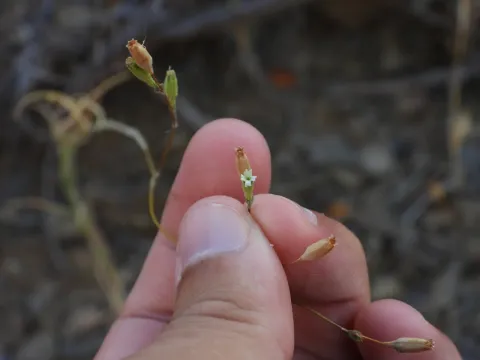
Silene inaperta
Silene inaperta
Silene inaperta is an annual herbaceous plant that requires careful timing for successful establishment. The optimal sowing window is early spring when soil temperatures reach stable levels suitable for germination.
What the section contains
Silene inaperta
The seeds should be placed at a depth of 1 to 2 centimeters to ensure they emerge with sufficient vigor. Proper seedbed preparation is crucial to ensure optimal contact with soil particles and immediate water absorption.
Row spacing should be calibrated to prevent overcrowding while maximizing the usage of available field space. This balance is vital for the development of individual plants and ensures adequate airflow throughout the canopy.
Sowing should be followed by light rolling to firm the seedbed. This practice promotes consistent moisture distribution and prevents the seeds from drying out in the upper soil layers during early development.
Late sowing periods should be avoided, as this leads to stunted growth and lower biomass yield. Timely planting allows the plants to establish a robust root system before the onset of stressful summer temperatures.
Belonging to the Caryophyllaceae family, this crop prefers well-drained, fertile soils with a neutral pH level. It does not tolerate waterlogged conditions, which can lead to root decay and overall plant failure.
Sunny, open locations are essential for the healthy development of Silene inaperta. Exposure to direct sunlight promotes structural strength and increases the concentration of beneficial compounds within the plant.
Soil structure should be friable and aerated to support root expansion. Compacted soils should be remediated through deep tillage prior to the planting season to improve nutrient uptake and water infiltration.
Water requirements are moderate, with the plant demonstrating resilience to short dry spells once established. However, consistent moisture during the initial growth phases significantly improves overall crop vigor.
Nutrient management should focus on balanced NPK applications based on soil fertility tests. Phosphorus is particularly important during early growth stages to support root development and subsequent reproductive maturity.
The crop can be susceptible to fungal pathogens, particularly in regions with high humidity. Mildew and root rots are common threats that require monitoring and appropriate cultural management strategies.
Pest pressure from insects such as leaf-eating larvae can occur during the active growing season. Integrated Pest Management (IPM) techniques are recommended to minimize reliance on synthetic chemical interventions.
Weed competition is a significant concern during the early establishment phase. Effective weed control measures, such as inter-row cultivation or mulching, are necessary to ensure the crop does not become choked.
Proper crop rotation is a fundamental tool for preventing the buildup of soil-borne diseases. Avoiding consecutive plantings of the same family members in the same plot is essential for long-term soil health.
Regular field scouting is the best way to detect early signs of stress or infestation. By identifying these threats early, producers can implement targeted interventions and prevent widespread damage to the field.