
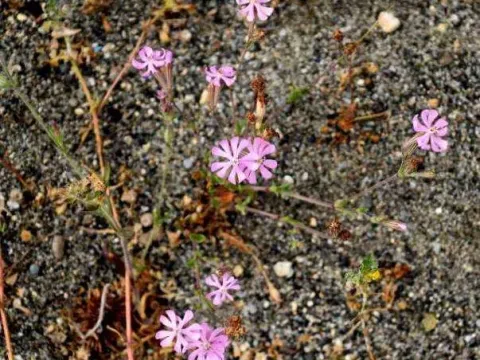
Silene gallinyi
Silene gallinyi
Silene gallinyi belongs to the Caryophyllaceae family and is recognized for its robust nature and resilience. It is an herbaceous perennial that can be utilized in agricultural systems for various purposes, including soil cover or forage.
What the section contains
Silene gallinyi
The optimal sowing time is during the early spring when soil temperatures stabilize at approximately 10-12 degrees Celsius. This ensures germination before the peak summer heat arrives.
Seeds should be planted in rows spaced 30 to 45 centimeters apart. This spacing is critical to ensure proper air circulation, which helps reduce the risk of humidity-related fungal diseases.
Due to the small size of the seeds, they should be covered with only a thin layer of soil, not exceeding 1-2 centimeters, followed by light rolling to improve soil contact.
Thinning out seedlings is necessary once the first true leaves appear to prevent overcrowding and ensure that each plant has enough nutrients and space to develop effectively.
This crop thrives in well-lit, open areas with full exposure to sunlight. It is highly adaptable and can be grown in diverse agricultural settings with sufficient light intensity.
Well-drained, sandy loam or loamy soils are ideal for Silene gallinyi. It avoids heavy, waterlogged clays, as stagnant water is detrimental to the survival of the root system.
The plant is known for its tolerance to dry periods, which makes it a resilient choice for climates with irregular rainfall patterns. However, consistent moisture is beneficial during the early establishment phase.
Neutral soil pH is preferred for optimal growth. If the soil is significantly acidic, applying lime is recommended during the pre-sowing preparation phase to balance the nutrient uptake.
Fertilization should prioritize phosphorus and potassium to strengthen plant tissue. Over-fertilization with nitrogen should be avoided to prevent excessive foliage growth that might attract pests.
Fungal pathogens such as powdery mildew pose a significant risk, particularly when high humidity coincides with warm temperatures during the vegetative growth phase.
Insect pests, including aphids and larvae of various moth species, can cause damage to leaves and reproductive organs, necessitating regular field monitoring.
Effective management includes maintaining a clean field free of host weeds that may serve as reservoirs for diseases and pests throughout the season.
Integrated Pest Management (IPM) strategies, including the use of biological controls, are highly recommended to keep pest populations below the economic injury level.
Crop rotation is an essential practice to break the life cycle of soil-borne pathogens. Rotating with cereals is effective in maintaining the health of the planting area over multiple years.