
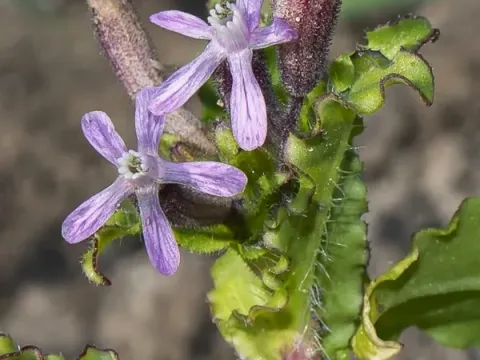
Silene fuscata
Silene fuscata
Silene fuscata is an ephemeral annual plant whose life cycle is closely synchronized with seasonal precipitation patterns. In natural habitats, seeds germinate efficiently during the autumn or early spring when soil temperatures stabilize.
What the section contains
Silene fuscata
In agricultural settings, the sowing process requires a finely prepared, loose seedbed to ensure proper contact between the soil and the small seeds. Depth of sowing should be kept to a minimum to allow light penetration, which is vital for the germination process.
Early spring planting is generally recommended to allow the plant to establish a robust rosette before the onset of the intense summer heat, which marks the end of the vegetative phase.
The plant exhibits high seed viability, which can lead to significant soil seed bank accumulation. Growers must be aware of its self-seeding potential, which can impact field management in subsequent seasons.
Optimal moisture levels during the germination phase are crucial; however, once established, the plants demonstrate a remarkable ability to survive in relatively dry conditions.
Belonging to the Caryophyllaceae family, Silene fuscata is highly adapted to Mediterranean climates. It thrives in open, sunny environments where it can maximize its photosynthetic potential.
The preferred soil types for this crop are well-drained, sandy, or loamy soils. These provide the necessary drainage to prevent root hypoxia, which is a major physiological challenge for this species.
The plant performs best under temperate conditions. It is physiologically equipped to handle the fluctuations between cool nights and warm days, which are typical of its native distribution range.
While the plant is considered drought-tolerant, its yield and growth quality are significantly improved when consistent moisture is provided during the stem elongation and flowering stages.
It prefers neutral to slightly alkaline pH levels in the soil, which should be monitored to ensure optimal nutrient uptake and overall plant vigor throughout the growing season.
Pathogenic fungi pose the most significant risk to Silene fuscata, especially during periods of high humidity or poor field ventilation. Powdery mildew and root rot are common issues in overcrowded stands.
Insect pests, particularly aphids and leaf miners, can cause substantial damage to the photosynthetic apparatus of the plant, potentially leading to stunted growth and reduced seed yield.
Integrated pest management is essential, emphasizing the importance of crop spacing and the removal of secondary hosts that might harbor pests or disease spores near the field.
Chemical control should be applied judiciously, as the plant may be sensitive to certain herbicide and pesticide formulations depending on its developmental stage.
Regular field scouting is the most effective approach for detecting early signs of infestation or infection, allowing for targeted intervention before the problem becomes widespread.