
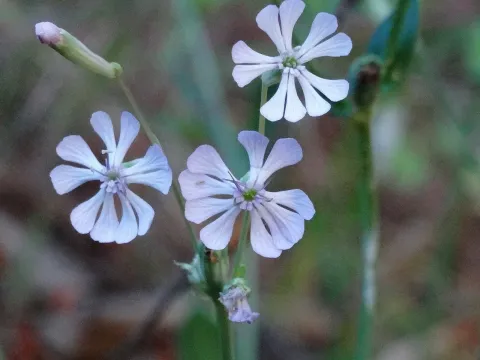
Silene graeca
Silene graeca
Silene graeca is a beautiful ornamental herbaceous plant belonging to the Caryophyllaceae family. It is widely valued in horticultural practices for its attractive, long-lasting blooms and ease of care in various garden environments.
What the section contains
Silene graeca
Sowing should take place in late spring, once the threat of late frosts has completely passed. The seeds require well-draining soil and a consistent moisture level during the germination phase to ensure a high success rate for emerging seedlings.
For an earlier blooming season, start seeds indoors in a greenhouse or cold frame during early March. Use a sterile seed-starting mix and maintain a temperature of approximately 18–20°C for optimal development before transplanting into the garden.
When sowing directly into the ground, cover the seeds only lightly with a thin layer of soil or fine grit. These seeds require light exposure for germination, so ensure they are not buried too deeply to allow for quick and uniform sprouting.
Space the plants approximately 15–20 cm apart to ensure good air circulation. Proper spacing is crucial to prevent the overcrowding of foliage, which can otherwise lead to an increase in humidity and potential fungal issues within the plant bed.
Silene graeca thrives in sunny, open locations with well-drained soil. It is particularly well-suited for rock gardens or borders where water does not accumulate, as this species is sensitive to waterlogged conditions that can cause root decay.
The plant prefers neutral to slightly alkaline soil conditions. If the native soil is too acidic, amending it with a small amount of lime can significantly improve plant vigor and flower production throughout the growing season.
While the plant is reasonably drought-tolerant, regular watering during prolonged dry spells will help maintain its decorative appearance. Always water at the base of the plant to keep the foliage dry and reduce the risk of leaf spot diseases.
Fertilization should be handled with care. A balanced, low-nitrogen liquid fertilizer applied once or twice during the early growth phase is sufficient. Over-fertilizing can lead to excessive green growth at the expense of floral development.
Protection from strong, drying winds is recommended in exposed areas. While the plant is robust, securing stems in wind-prone locations can prevent mechanical damage to the flower stalks during heavy summer storms.
The main threats to Silene graeca include fungal infections, particularly powdery mildew, which often occurs during periods of high humidity or poor airflow. Regular monitoring and keeping the planting area clean are effective preventive measures.
Pests such as aphids and spider mites can occasionally infest the foliage, particularly during hot, dry weather. These insects feed on sap and can cause stunted growth or distorted leaves if left unmanaged for extended periods.
Integrated pest management, including the use of insecticidal soaps or specific horticultural oils, is effective against aphid colonies. It is best to treat infestations early before they spread to healthy surrounding plants.
To prevent diseases, ensure that the soil remains well-drained and that plants are not overcrowded. Removing any debris or dead plant matter from the area reduces the habitat for pests and potential fungal spores.
In cases of severe infection, targeted fungicide applications may be necessary. Always follow the manufacturer's instructions regarding application timing and dosage to ensure the health of the plants and the surrounding garden ecosystem.