
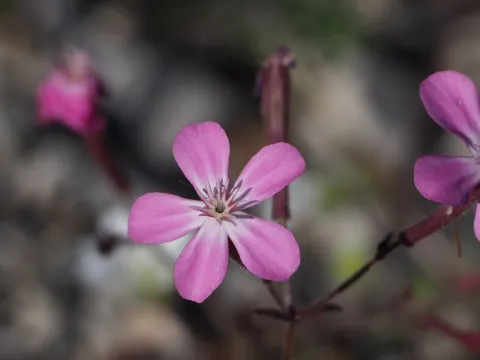
Silene integripetala
Silene integripetala
Silene integripetala is a herbaceous plant belonging to the Caryophyllaceae family. Known for its aesthetic value, this species is frequently cultivated for both commercial floral displays and ornamental garden borders.
What the section contains
Silene integripetala
The plant thrives in regions with temperate climates, preferring locations that receive full sunlight for the majority of the day. Exposure to light is essential for developing strong stems and ensuring vibrant flower color.
Soil requirements include well-draining, loose textured earth with a neutral to slightly alkaline pH. Compacted soils should be amended with organic matter or grit to ensure adequate oxygen reaches the delicate root system.
It demonstrates moderate tolerance to dry spells once established, though consistent moisture is required during the active vegetative growth phase to prevent premature stunting.
The plant performs best in environments where there is good natural air circulation, which significantly reduces the risk of fungal pathogens and physiological stress during humid summer months.
In a production context, the yield of Silene integripetala is defined by the number and quality of flower stems suitable for professional floristry. Proper fertilization protocols play a key role in maximizing the output per square meter.
Optimized spacing allows for better air movement and reduces the incidence of disease, which directly correlates to higher marketable yields. Densely planted crops often produce smaller, weaker stems.
Regular deadheading of spent flowers can prolong the blooming season, effectively increasing the total output of the crop throughout the summer and early autumn periods.
Harvesting for trade is typically done when a portion of the buds on a stem have opened. This stage ensures a longer vase life and provides a high-quality product for the consumer market.
Commercial growers also focus on selective breeding to improve the uniformity of flowering, as synchronous harvesting allows for more efficient labor management and reduced operational costs.
Harvesting should be carried out during the cool hours of the morning when the turgor pressure in the stems is at its maximum. This practice significantly improves the shelf life of the harvested flowers.
Use sharp, sterilized cutting tools to prevent the introduction of pathogens into the vascular tissues of the stems. Clean equipment is essential for maintaining plant health across large plots.
After harvesting, stems should be immediately placed in clean water with a floral preservative to facilitate hydration and minimize the development of bacteria in the stems.
For seed production purposes, plants should be left in the field until the seed capsules turn brown and dry. The pods must be collected before they dehisce to avoid significant yield loss due to seed shattering.
Post-harvest storage of seeds requires a cool, dry environment to maintain long-term viability. Proper cleaning and grading of seeds are necessary for maintaining the standard of the cultivar.