
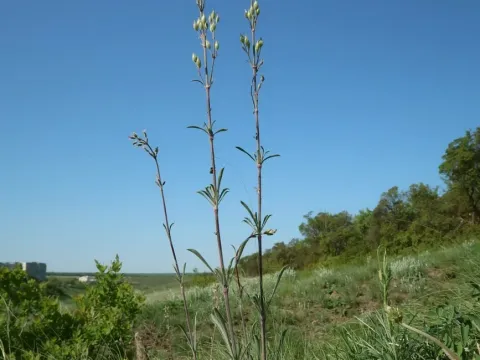
Silene hellmannii
Silene hellmannii
Silene hellmannii is a species within the Caryophyllaceae family. As a crop with specific growth habits, it requires careful planning for successful establishment in agricultural settings.
What the section contains
Silene hellmannii
Sowing should take place in early spring once the soil temperature is sufficient to trigger germination. Precision sowing at a shallow depth of 1–2 cm ensures that seedlings emerge uniformly and have enough energy to develop early root systems.
Row spacing is a critical factor for yield optimization. A spacing of 15–25 cm is generally recommended to provide enough space for individual plants to develop while ensuring maximum canopy coverage for weed suppression.
Seedbed preparation requires fine soil tilth to maximize seed-to-soil contact. Rolling the field immediately after sowing is a common practice to firm the soil and improve capillary water movement to the seeds.
Successful stand establishment depends on favorable moisture conditions immediately following sowing. If rainfall is insufficient, supplemental irrigation may be necessary to ensure consistent emergence across the field.
The plant thrives in well-drained, fertile soils with a pH ranging from neutral to slightly alkaline. Poor drainage and waterlogged conditions are highly detrimental to root health and overall plant vigor.
As a light-demanding crop, it performs best in open fields with full exposure to sunlight. Shading from trees or adjacent high-density crops can lead to etiolated growth and reduced flowering.
Temperature management is key to maintaining productivity. While Silene hellmannii is relatively hardy, extreme heat waves can shorten the vegetative phase, so site selection in regions with moderate continental climates is ideal.
Nutrient requirements should be met through balanced fertilization. Nitrogen promotes leafy growth, while phosphorus and potassium are essential for root development and general resilience against environmental stress.
Soil structure is improved through regular inter-row cultivation, which not only removes competing weeds but also increases oxygen levels in the rhizosphere, supporting beneficial soil microorganisms.
Pest pressure from lepidopteran larvae, such as cutworms, can be significant during the early growth stages. Integrated pest management (IPM) practices are encouraged to mitigate these risks without disrupting the local ecosystem.
Powdery mildew represents a major pathological threat, particularly in humid conditions with poor air circulation. Early detection and the use of targeted fungicides are necessary to protect the leaf surface from damage.
Rust diseases can occur later in the season, manifesting as fungal pustules on the foliage. Crop rotation is the primary defense strategy to prevent the buildup of soil-borne or residue-borne pathogens over time.
Root rot is often a symptom of poor drainage or over-irrigation. Ensuring a clean field environment and proper drainage channels is vital for long-term crop survival and yield stability.
Monitoring for signs of stress or pest colonization on a weekly basis is essential for timely intervention, allowing farmers to apply treatments only when economic thresholds are reached.