
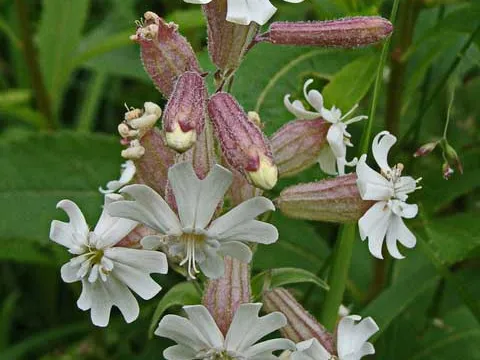
Silene gonocalyx
Silene gonocalyx
Silene gonocalyx is a distinct species belonging to the Caryophyllaceae family. It is recognized for its unique, angular calyx structure, which serves as a primary diagnostic feature for identifying the plant in the field.
What the section contains
Silene gonocalyx
Originating from regions with specific environmental stressors, this plant exhibits remarkable adaptation to arid conditions. It thrives in open, sunny habitats where competitive vegetation is limited, often settling in rocky or sandy substrates.
In terms of soil requirements, the species demands high permeability. It performs poorly in heavy clay or waterlogged soils, which increase the risk of root suffocation and subsequent decay of the root system.
Climate adaptability is one of its core strengths. It is well-suited to temperate climates with distinct seasons, possessing a high tolerance for both cold winters and dry, hot summer spells.
Cultivation practices should focus on maintaining a lean nutritional environment. Over-fertilization, especially with nitrogen-based products, should be avoided as it encourages soft, vulnerable tissue growth rather than structural integrity.
The primary threats to Silene gonocalyx are pathogenic fungi associated with excessive moisture. Root rot is the most common issue in poorly drained agricultural settings, often leading to rapid plant decline.
Pest pressure typically involves sucking insects such as aphids. These pests can transmit viral infections, making early detection and localized intervention essential for maintaining crop health.
Foliar diseases, including powdery mildew, may occur if planting density is too high. Improving airflow and maintaining adequate spacing between individual plants are crucial management strategies.
Weed control is vital during the establishment phase, as the species is susceptible to competition from fast-growing weeds. Mechanical cultivation should be shallow to avoid damaging the plant's root system.
Lastly, monitoring for generalist pests like slugs and snails is recommended during wet spring seasons. Integrated pest management strategies are preferred to preserve the local ecological balance.