
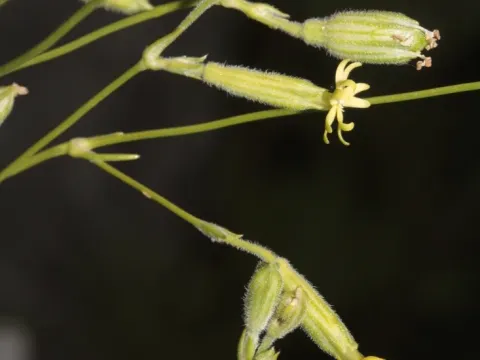
Silene flavescens
Silene flavescens
Silene flavescens is a perennial herbaceous plant belonging to the Caryophyllaceae family. It is recognized for its unique yellow flowers, which set it apart from the more common white or pink species within the Silene genus.
What the section contains
Silene flavescens
The optimal sowing time is in spring, typically during April or May, once the soil has warmed sufficiently. Seeds should be sown on the surface or lightly covered with a thin layer of soil, as they require light to germinate effectively.
For cultivation purposes, spacing is essential for plant health. Providing an area of 20 to 30 centimeters between individuals allows for optimal airflow, which is critical in preventing the development of fungal diseases in the dense foliage.
Seeds are known for their high germination rate, but maintaining consistent, light moisture during the initial development stage is crucial for ensuring a uniform emergence of seedlings in a nursery or garden bed.
In addition to seed propagation, vegetative division of the root system can be performed in early spring or autumn to maintain the genetic characteristics of a specific specimen while expanding a plantation.
This species thrives in well-drained, porous soils, including sandy or gravelly compositions. It is naturally adapted to environments where water drainage is rapid, which is a key requirement for its long-term survival.
Full sun exposure is vital for the development of Silene flavescens. While the plant can tolerate partial shade, its growth will be less robust, and the vibrant yellow color of the blooms may become muted compared to plants grown in direct sunlight.
The plant is highly drought-tolerant once established. Its morphological adaptations allow it to conserve water, making it a sustainable choice for xeriscaping or rock gardens where intensive irrigation is not feasible.
Soil fertility requirements are moderate. Over-fertilization, especially with high-nitrogen compositions, should be avoided as it encourages excess foliage at the expense of the characteristic flowering, which is the primary value of the plant.
Climatically, Silene flavescens is hardy and capable of withstanding the temperature fluctuations associated with its native range. It generally does not require specialized winter protection in typical temperate climate zones.
The primary threats to the health of Silene flavescens involve fungal pathogens such as root rot and leaf spot, which are often exacerbated by poor drainage or periods of high atmospheric humidity and standing water.
Insect pests, including aphids and leaf-eating caterpillars, can occasionally cause damage to the foliage and buds during the active growing season. Integrated pest management strategies are recommended to mitigate these issues.
Good cultural practices, such as ensuring adequate plant spacing and removing debris, are the most effective ways to reduce the risk of infestation and disease without relying heavily on chemical inputs.
During prolonged wet spells, the vulnerability to mildew increases. If signs of powdery mildew are present, thinning the plants to improve air circulation usually helps the plant recover naturally.
Monitoring the plant for early signs of stress is crucial, as healthier plants are significantly more resistant to common garden pests and local environmental pathogens compared to neglected specimens.