
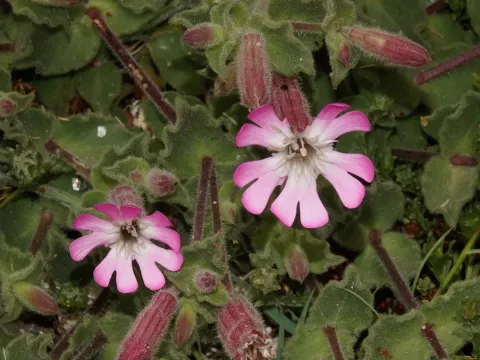
Silene foetida
Silene foetida
Silene foetida, belonging to the Caryophyllaceae family, is typically sown in early spring once soil temperatures reach 8 to 10 degrees Celsius. This timing ensures that the seeds have sufficient thermal energy for rapid germination.
What the section contains
Silene foetida
Seeds should be planted at a shallow depth of 1 to 2 centimeters. Planting too deep can significantly inhibit sprout emergence, resulting in sparse stands and the need for costly reseeding of the field.
Autumn sowing is feasible only in regions with mild winters, as young seedlings are susceptible to frost damage. In areas with harsh winters, it is recommended to increase the seed rate by 20% to account for winter losses.
Optimal crop density is achieved by maintaining row spacing of 15 to 30 centimeters. This provides enough space for root system development and ensures proper airflow between individual plants.
Pre-sowing soil compaction is a vital step to ensure good soil-to-seed contact, which facilitates moisture uptake. This step significantly boosts initial field emergence and improves the overall health of the seedlings.
The plant thrives in well-lit areas, as shade can lead to stunted stem development and reduced leaf area. Sunlight is crucial for metabolic processes that determine the final biomass yield of the crop.
Silene foetida performs best in loose, fertile loamy soils with a neutral or slightly alkaline pH. High soil acidity can hinder nutrient absorption and often leads to stunted growth or chlorosis.
Good drainage is essential for the healthy growth of this species, as it is highly sensitive to waterlogging. Excess water in the root zone often leads to oxygen depletion and the rapid onset of root decay.
During the vegetative growth phase, the crop requires consistent moisture. While it exhibits moderate drought tolerance, adequate hydration is necessary to achieve maximum forage quality and volume.
Balanced fertilization with phosphorus and potassium is recommended during the budding stage to enhance plant structural integrity. Avoid excessive nitrogen applications, which can cause lodging due to weak stem development.
The biomass yield of Silene foetida is largely determined by soil fertility and the efficacy of agronomic practices. Under favorable conditions, the crop produces enough green mass to serve as a high-quality forage source.
The peak of nutritional value and biomass accumulation is reached during the initial stages of flowering. Harvesting at this specific time ensures the highest concentration of proteins and essential micronutrients.
Long-term yield stability requires a thoughtful crop rotation system to prevent soil exhaustion. Rotating Silene foetida with other cover crops helps maintain soil structure and mineral balance.
Early-stage weed control is critical for realizing the full yield potential of the crop. Because Silene foetida has a slow initial growth phase, competition from weeds must be eliminated in the first month.
Consistent irrigation and proper spacing are proven factors that allow for multiple cuts per season under suitable climatic conditions, thereby maximizing total annual production per hectare.
Aphids are the most common pests, as they target young shoots and flowers, causing distortion and weakening the plant's immune system. Early detection and targeted treatment are necessary to prevent colony expansion.
Powdery mildew represents a significant fungal threat, especially in humid conditions with poor airflow. It manifests as a white powdery layer on leaves and can severely impact the photosynthetic efficiency of the crop.
Root rot, frequently caused by over-irrigation, can devastate entire fields. Proper moisture management and good soil aeration are the best preventative measures against this destructive condition.
Leaf miners can cause significant damage by tunneling inside leaf tissues, leading to premature wilting and nutrient loss. Selective insecticides or biological controls are recommended if thresholds are exceeded.
- Regular field monitoring for pest and disease indicators.
- Maintaining optimal plant density to encourage ventilation.
- Selecting certified seed stocks to prevent the introduction of pathogens.
Harvesting for forage should commence at the onset of mass flowering to capture the optimal balance of fiber and nutrients. This timing is crucial for achieving the desired nutritional profile for livestock.
For seed production, harvest the pods once they have turned fully brown. It is imperative to conduct this operation in dry weather to minimize the risk of pod shattering and significant yield loss in the field.
Immediately transport harvested material to a drying facility to prevent nutrient loss caused by UV degradation and prolonged exposure to ambient heat. Drying should occur in well-ventilated shade.
When using mechanized harvesting equipment, adjust the cutting height to leave at least 5-7 centimeters of stem residue. This protects the plant's regenerative tissue and promotes faster recovery for subsequent growth.
Final seed processing involves cleaning the harvest of debris and drying it to a moisture content of 12-14%. Proper storage in cool, dry conditions ensures that seed viability remains high for several years.