
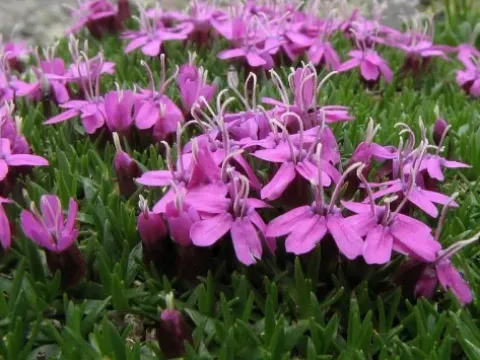
Silene fabarioides
Silene fabarioides
Silene fabarioides belongs to the Caryophyllaceae family. In agricultural practice, the sowing of this species is usually scheduled for early spring, once the soil has warmed up to 8–10 degrees Celsius.
What the section contains
Silene fabarioides
The optimal sowing period in regions with a temperate climate occurs in the second half of April. In winter sowing, which is possible in southern latitudes, seeds are planted one month before the onset of stable frost.
Sowing depth is a critical factor for achieving uniform germination. It is recommended to sow seeds at a depth of no more than 1–2 centimeters into well-structured, loose soil.
To ensure even planting, a row method is often used with spacing of about 15–20 centimeters. This helps prevent overcrowding and facilitates subsequent crop management.
Field germination depends directly on the moisture of the topsoil. In dry weather, light rolling is recommended to improve the contact between seeds and the soil.
The plant prefers sunny areas with light, well-drained soils. The best growth rates are observed on loamy and sandy substrates with a neutral or slightly alkaline pH.
The crop shows moderate drought tolerance, making it a promising candidate for cultivation in areas with limited irrigation. However, excessive waterlogging can lead to root rot.
Soil fertility requirements are moderate, but the application of balanced phosphorus-potassium fertilizers significantly improves biomass yield. Nitrogen fertilizers are applied cautiously to avoid excessive vegetative growth.
During the active vegetation phase, the plant requires a stable light regime. Shading leads to elongated stems and a reduction in the overall vitality of the plant.
- Good soil aeration
- No water stagnation
- Light exposure for at least 8-10 hours per day
- Temperature range from +15 to +25 degrees Celsius
The green biomass yield of Silene fabarioides varies depending on the background fertility and regional climate. When following agronomic best practices, stable biomass harvest is achievable.
During the flowering phase, the plant has its maximum nutritional value. This period is considered optimal for mowing if the crop is intended as a forage additive.
The biological characteristics of this species allow it to be used both as a monoculture and as part of perennial grass mixtures. This increases the potential for stable yields on various soil types.
A key factor determining the final yield is weed control during early development stages. Competition with aggressive weeds can reduce crop productivity by 30–40 percent.
Multiple cuts under favorable conditions allow for additional regrowths, which increases the total yield of dry matter per growing season.
The main threat to the crop is fungal diseases that develop under high humidity. Powdery mildew often affects the plant's vegetative parts during hot but humid summer periods.
Pests such as aphids can damage young shoots and buds. Regular crop monitoring allows for timely detection of infestation signs and the implementation of necessary protective measures.
Root rot is a serious threat if crop rotation is violated. It is not recommended to plant this crop in areas where other representatives of the Caryophyllaceae family have been grown previously.
Slugs and snails can cause mechanical damage to leaves, especially in years with heavy rainfall. Mulching or barrier methods are often used to protect the plants.
To minimize the risk of epiphytotics, spatial isolation between fields should be maintained, and timely fungicide treatment should be applied upon the appearance of initial infection foci.
Harvesting for green biomass is conducted at the beginning of the flowering phase, when the nutrient content in plant tissues is at its peak. Delaying harvest leads to coarse stems and reduced feed digestibility.
Mechanized harvesting is performed using mowers equipped with a shredder. It is important to ensure fast drying or ensiling of the mown mass to prevent quality degradation.
If the goal is to harvest seed material, the process is postponed to the stage of full waxy seed maturity. Signs of maturity include a color change of the seed pods to brown and their characteristic cracking.
Silene fabarioides seeds require thorough post-harvest cleaning and drying. Storage of the seed material is carried out in cool, dry areas with low humidity.
Adherence to harvesting and post-harvest handling regimes ensures high seed germination rates for several years.