
Saxifrage silene
Silene saxifraga
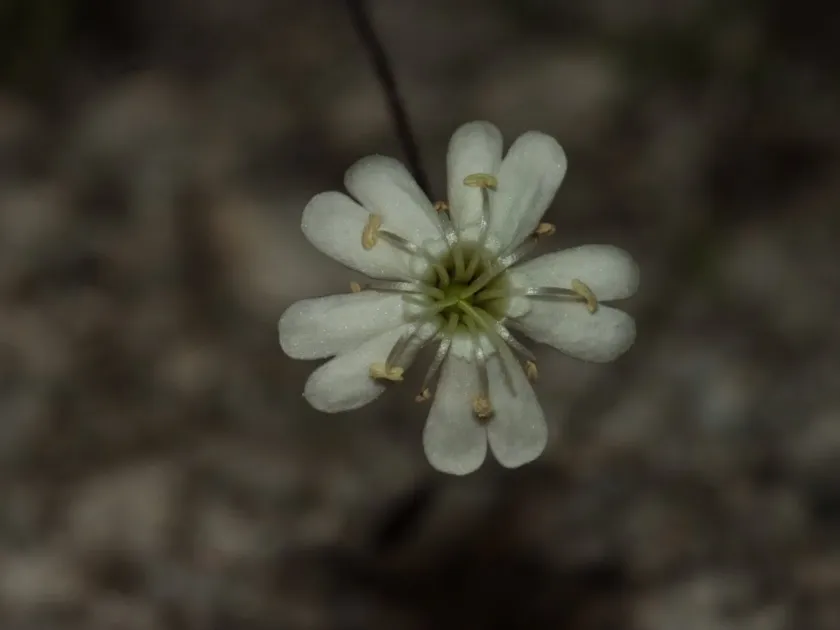
Description
Sowing dates
Sowing seeds of Saxifrage silene is best accomplished in the spring once the danger of frost has passed. The soil should be prepared by loosening the top layer to ensure good aeration for the germinating seeds.
For container-grown seedlings, start in early spring indoors with access to bright, filtered light. Transplanting occurs after the hardening-off process, typically in early summer when temperatures stabilize.
Seeds are surface-sown and pressed gently into the medium, as they require light to germinate efficiently. Maintain a consistent spacing of 20 to 30 centimeters to allow for optimal air circulation between individual plants.
Preparation of the sowing site involves clearing perennial weeds and potentially mixing in fine gravel to simulate the plant's native rocky habitat.
Germination usually takes between 14 and 21 days. During this initial stage, it is crucial to keep the substrate lightly moist but never waterlogged to encourage healthy root establishment.
Growing requirements
Saxifrage silene belongs to the Caryophyllaceae family and is native to the rocky landscapes and limestone screes of Southern and Central Europe. Its biology is perfectly adapted for surviving in harsh, resource-limited mountain environments.
The primary soil requirement is exceptional drainage. This species thrives in alkaline, poor, and stony substrates where other plants might struggle to survive due to lack of nutrients or water.
Sunlight is critical for the development of this species. It demands full sun exposure to maintain its compact, cushion-like growth habit and to promote a profuse display of flowers during the summer months.
Climatically, it is a robust species that handles heat and drought well. It is an excellent choice for xeriscaping or low-maintenance rock garden designs where irrigation is minimal.
Once established, the plant is remarkably self-sufficient. Periodic light pruning of spent flower stalks is generally the only maintenance required to keep the plant tidy and healthy.
Main diseases and pests
The primary threats to this plant are soil-borne pathogens associated with poor drainage. Root rot is the most common issue, appearing when the root zone is subjected to prolonged saturation.
While the plant is generally pest-resistant, aphids can occasionally infest the young growth during late spring. Red spider mites may also appear if the surrounding air is consistently hot and very dry.
Preventative measures include choosing sites with natural drainage slopes and avoiding excessive fertilization. High nitrogen levels can make the tissue softer and more susceptible to attacks.
Good cultural practices, such as ensuring adequate spacing between plants, significantly reduce the risk of humidity-related diseases and help maintain a vigorous immune system for the plant.
In the rare event of severe infestation or infection, targeted applications of organic-approved pesticides or fungicides should be used only after confirming the nature of the issue.