
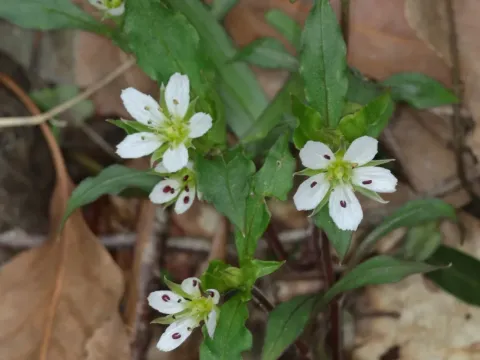
Pseudostellaria
Pseudostellaria
Sowing Pseudostellaria typically occurs in the spring, once the soil has reached an optimal temperature for germination. It is essential to ensure consistent moisture during the early stages of plant development, as young seedlings are particularly sensitive to drought.
What the section contains


Pseudostellaria
For commercial cultivation, planting in well-drained rows is recommended to facilitate future maintenance and harvesting. Seeds or root fragments should be placed at a depth of 1–2 centimeters, ensuring they have sufficient soil contact for stable root establishment.
Spacing between rows should be roughly 20–25 centimeters to provide adequate space for air circulation. This spacing helps prevent the development of fungal diseases, which can thrive in stagnant air conditions within dense crop stands.
Mulching after planting is a beneficial agronomic practice. It helps maintain the soil temperature and retains moisture, while also significantly suppressing weed emergence, which reduces the need for frequent manual weeding.
Crop rotation should be strictly observed to prevent soil-borne diseases. Avoiding fields where other Caryophyllaceae species were grown previously is crucial to minimizing the pathogen load in the soil before the new season begins.
Pseudostellaria belongs to the Caryophyllaceae family and is valued for its tuberous roots, which are widely used in herbal medicine. It is typically a forest-dwelling species, which informs its preference for areas with dappled or filtered sunlight.
The ideal soil is rich in organic matter and maintains a neutral to slightly acidic pH. Excellent drainage is non-negotiable, as waterlogged conditions quickly lead to root rot and complete crop failure in commercial operations.
The climate should be temperate and cool; the plants generally do not perform well under intense heat. Providing shade or selecting sites with natural tree canopy coverage can mitigate the stress caused by high summer temperatures.
While organic fertilization during site preparation is highly encouraged to improve root yield, excessive nitrogen application must be avoided. Too much nitrogen promotes vegetative growth at the expense of root development.
Consistent watering during the growing season is necessary for healthy tubers. However, irrigation management should focus on maintaining a moderate level of moisture, avoiding both the drying out of the root zone and excessive, prolonged saturation.
Yields of Pseudostellaria are heavily dependent on the maturation cycle, which typically spans two to three years. Harvesting too early results in smaller, less valuable roots that have not yet reached their full medicinal potential.
On a commercial scale, yield is measured by the biomass of the tuberous roots. High-density planting managed with precision irrigation and fertilization can yield significant quantities, provided the soil remains loose and aerated.
Quality control during the yield phase involves inspecting the roots for uniformity and size. Pharmaceutical markets often require standardized grades of roots, making the consistency of the final product a primary objective for the agronomist.
After the growth period, the plants show signs of senescence as nutrients are translocated to the roots. Timing the harvest accurately during this period ensures the highest concentration of active bioactive compounds within the tubers.
Post-harvest processing requires specialized drying facilities. Since roots contain significant amounts of water, achieving proper moisture reduction is necessary to prevent spoilage and ensure the stability of the plant's active constituents.
Root rot is the most significant threat to Pseudostellaria crops, usually caused by over-irrigation or soil compaction. Once fungal pathogens establish in the root zone, they can rapidly compromise the entire plantation.
Soil-dwelling insects, such as wireworms, can damage the tuberous roots, leaving them prone to secondary infections. Integrating preventative soil treatments and selecting sites with lower insect pressure are key management strategies.
Powdery mildew may occur on the leaves during periods of high humidity and poor ventilation. Regular scouting and the application of appropriate systemic fungicides, when necessary, help maintain the plant's health throughout the season.
Weeds are formidable competitors for nutrients and space. Because the roots of Pseudostellaria are shallow and delicate, manual weeding must be performed with extreme care to avoid damaging the marketable portions of the crop.
Fostering a balanced agro-ecosystem is the best defense against threats. Using certified disease-free planting material, maintaining optimal soil health, and practicing good field sanitation are the cornerstones of successful Pseudostellaria cultivation.
Harvesting is conducted in late autumn, corresponding with the yellowing and dying back of the above-ground foliage. This is when the plant has finished its seasonal cycle and the roots are at their highest quality.
Mechanical harvesting is preferred on larger farms, using specialized digging equipment designed to lift roots without excessive breakage. Careful handling is mandatory, as damaged tubers lose value and are more susceptible to storage rot.
Immediately after digging, the roots must be cleared of dirt. Prompt cleaning allows for faster moisture loss and reduces the likelihood of soil-borne pathogens contaminating the harvested product during the drying stage.
Sorting by root size is a standard commercial practice. Larger, healthier tubers are generally separated from smaller ones, as they possess different processing profiles and market values within the pharmaceutical trade.
Drying is the final essential step before storage. The roots are typically dried in controlled, well-ventilated settings until they are hard and brittle, which ensures a long shelf life while preserving the integrity of the herbs.