
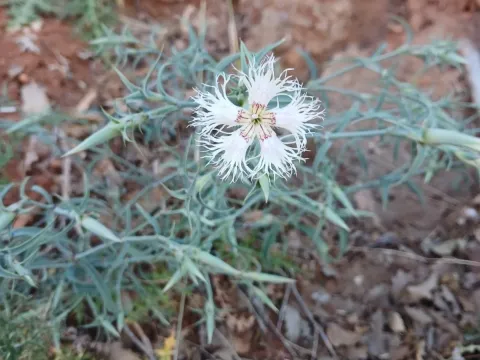
Lebanon carnation
Dianthus libanotis
The cultivation of Dianthus libanotis typically begins with seed propagation in a controlled environment. Sowing is usually performed in late winter to ensure well-developed seedlings are ready for the spring season.
What the section contains
Lebanon carnation
Seeds require a germination temperature between 18 and 20 degrees Celsius. Using a light, well-draining seed-starting mix is critical to prevent the common issue of damping-off caused by excessive soil moisture.
Once seedlings develop their first set of true leaves, they should be transplanted into individual containers. This process encourages a robust root structure necessary for future survival in outdoor conditions.
Transplanting into the permanent garden site should occur once all danger of frost has passed. Plants should be spaced at least 20 to 30 centimeters apart to allow for proper airflow and development.
Direct sowing in outdoor beds is feasible in regions with mild winters, provided the soil is well-prepared and the surface is kept consistently moist until germination is complete.
The Lebanon carnation belongs to the Caryophyllaceae family and is recognized for its preference for rocky, calcareous habitats. It thrives in conditions that mimic its native high-altitude mountainous environment.
Full sun is an absolute requirement for this species. Without at least six to eight hours of direct sunlight daily, the plants will fail to bloom, become leggy, and lose their characteristic dense growth habit.
Soil quality must be alkaline or neutral, with a very gritty and porous texture. If the existing soil is heavy or acidic, amendments such as limestone chippings or sand must be added to ensure proper drainage.
The plant demonstrates high drought tolerance once established. Overwatering is the most frequent cause of failure in cultivation; the soil should be allowed to dry out significantly between irrigation intervals.
Fertilizer requirements are minimal. An excess of nitrogen-based nutrients will cause rapid, soft growth that is more susceptible to environmental stress and pests, negating the plant's natural hardiness.
Fungal pathogens, particularly those causing root and crown rot, represent the most significant threat to the health of the Lebanon carnation. These infections are almost always linked to poor soil drainage.
Insects like aphids and spider mites may infest the foliage during hot and dry spells. These pests weaken the plant by extracting sap and can facilitate the transmission of viral diseases between nearby specimens.
Management of these threats includes the strategic application of insecticidal soaps or systemic pesticides. It is vital to monitor the underside of the leaves where these pests typically congregate.
To reduce disease incidence, growers should avoid overhead watering, which promotes high humidity levels on the foliage surface. Using a layer of grit mulch around the base helps keep the crown dry.
Regular inspection and the prompt removal of any plant material showing signs of chlorosis or wilting are essential practices to maintain a healthy collection and prevent the spread of soil-borne pathogens.