
Lesser sandwort
Arenaria leptoclados
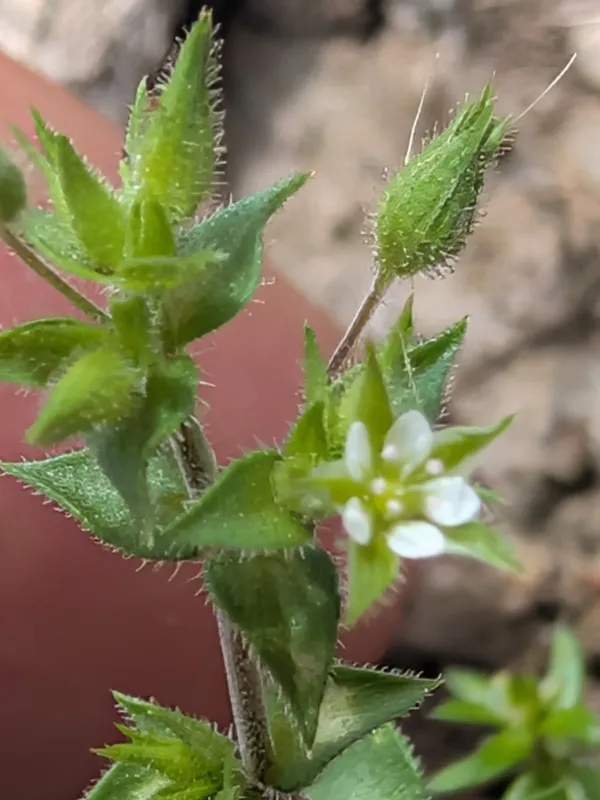
Description
Growing requirements
Lesser sandwort, known scientifically as Arenaria leptoclados, is an annual herbaceous plant that belongs to the Caryophyllaceae family. It is widely recognized by agronomists as a common field weed.
The plant typically thrives in open, sunny environments where competition from taller vegetation is limited. Its botanical structure allows it to occupy niche habitats such as loose soils and rocky outcrops.
Preferred soil types for Arenaria leptoclados include sandy and loamy soils with good drainage. It is highly adaptable to various moisture levels, though it performs best in early spring conditions.
Its biological cycle is relatively short, allowing the plant to produce a large number of seeds within a single growing season. This rapid maturation makes it a difficult species to manage in intensive cultivation.
In terms of agricultural management, ensuring soil purity and timely weeding is essential, as the weed can quickly suppress the initial growth phase of sensitive cereal and vegetable crops.
Main diseases and pests
The primary threat posed by Arenaria leptoclados is its competitive nature, which depletes essential nutrients and moisture, directly affecting the yield potential of cultivated plants.
Furthermore, this species acts as a reservoir for various plant pathogens and pests. These organisms can migrate from the weed to vulnerable crops, necessitating increased use of chemical protectants.
The resilience of the species against environmental stress means that mechanical control measures must be performed repeatedly to achieve significant suppression across large agricultural areas.
Monitoring the infestation levels is critical, as the weed's ability to produce thousands of seeds ensures that even a small population can quickly re-colonize a field in subsequent years.
Integrated weed management, including crop rotation and the use of competitive crop varieties, remains the most effective strategy to minimize the negative impact of this plant in modern agriculture.