
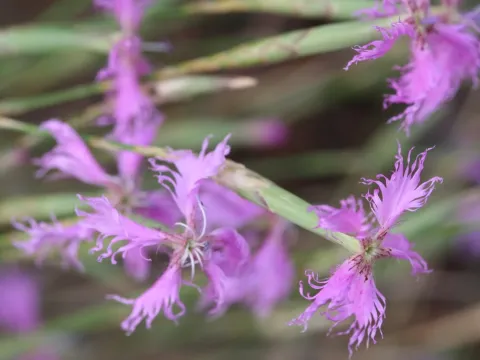
Oriental carnation
Dianthus orientalis
Oriental carnation seeds should be sown in early spring, typically between March and April, using a well-draining seed-starting mix. Optimal germination occurs at temperatures ranging from 18 to 20 degrees Celsius, requiring a period of about two weeks to sprout.
What the section contains
Oriental carnation
When starting indoors, ensure the seedlings receive adequate light to prevent them from becoming leggy. Once the risk of frost has passed in late spring, seedlings can be carefully transplanted into the garden, maintaining a spacing of approximately 25 centimeters between individual plants.
Direct sowing into the garden bed is possible in regions with milder climates, provided the soil is loose and free of debris. Seeds should be sown at a shallow depth of about 0.5 centimeters, as they require a small amount of light to initiate the germination process properly.
It is beneficial to cold-stratify the seeds for a few weeks before planting, which significantly enhances germination rates. This practice mimics the natural environmental conditions that the plant is exposed to in its native mountainous habitats.
Adequate soil moisture must be maintained during the initial establishment phase, but once the plants have developed a strong root system, they become quite tolerant to irregular watering schedules.
Dianthus orientalis, a member of the Caryophyllaceae family, is a hardy perennial herbaceous plant originating from the rocky slopes of the Middle East and Asia. Its botanical features include narrow, glaucous leaves and delicate flowers characterized by finely fringed petal edges.
This species thrives in full sun exposure, requiring at least six to eight hours of direct sunlight daily to maintain its vigor and promote prolific flowering. Shaded locations will result in sparse growth and a heightened susceptibility to various plant diseases.
The ideal growing medium is a light, alkaline, and well-aerated soil with excellent drainage properties. Soils that are heavy, clay-based, or constantly damp will lead to root rot and other physiological issues that can quickly destroy the plant.
In terms of nutrients, oriental carnation prefers soil that is relatively lean. Excessive fertilization, especially with nitrogen, promotes lush foliage growth at the expense of floral production and reduces the overall cold hardiness of the plant.
The plant is highly drought-tolerant once established, making it an excellent choice for rock gardens and xeriscaping. It requires minimal intervention, primarily focusing on weeding and occasional soil aeration to prevent compaction.
Fungal pathogens such as Fusarium wilt represent the most significant threat to the health of Dianthus orientalis. This disease typically manifests as a rapid wilting of stems and foliage, often appearing in plants that have been stressed by excessive soil moisture.
Insect pests, including aphids and spider mites, are common nuisances that cluster on the succulent parts of the plant. These pests feed on plant sap, which can cause stunted growth, flower deformation, and general decline if the infestation is not managed promptly.
Powdery mildew may occur during periods of high humidity and stagnant air circulation. The disease appears as a white, dusty layer on the leaves and can be controlled by improving the spacing between plants to enhance airflow.
Effective management strategies involve a combination of cultural practices, such as removing affected plant parts, and the application of systemic fungicides when disease pressure is high. Always choose treatments that are specific to the identified pathogen.
Sanitation is key to preventing re-infestation; removing dead plant debris at the end of the season reduces the sites where pathogens and pests can overwinter. Regular monitoring during the growing season allows for early detection and targeted control.